Exiled Qatari Opposition Leader Vows to Transform Nation's Global Role
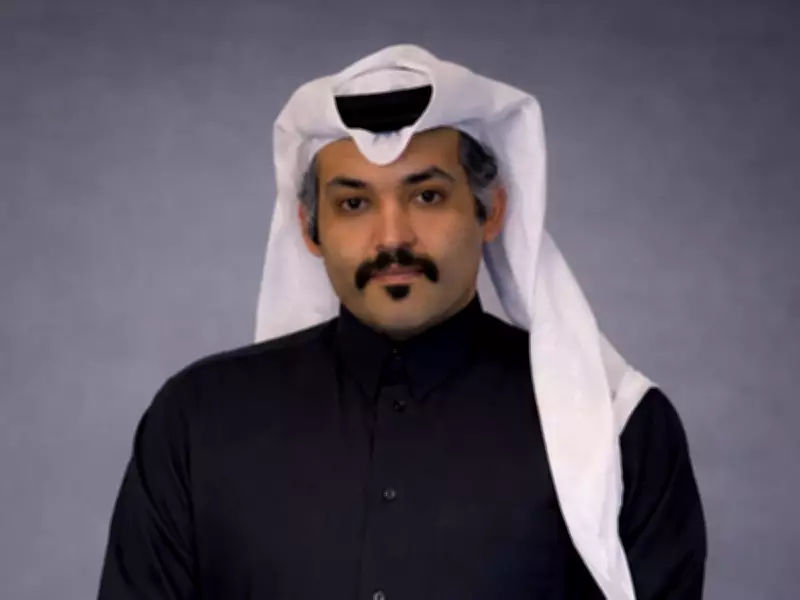
While international attention remains focused on Tehran, another Gulf state with a parallel history of supporting extremist groups faces a significant internal challenge to its established ruling structure. Sheikh Khalid Al-Hail, the president of the Qatari National Democratic Party and a self-declared opposition figure, has emerged from exile with ambitious plans to fundamentally reshape Qatar's domestic and foreign policies.
A Vision for Moderate Governance
In an exclusive Canadian interview, Al-Hail articulated his vision for transforming the Connecticut-sized nation into what he describes as "a moderate country." The exiled sheikh aims to achieve two primary objectives: ending Qatar's longstanding pattern of sponsoring terrorist organizations and initiating goodwill overtures toward Israel. These proposals represent a dramatic departure from Qatar's current geopolitical positioning and internal governance structure.
From Insider to Exiled Critic
Al-Hail's journey from privileged insider to vocal critic reveals the complex dynamics within Qatari power circles. Once a close associate of former Prime Minister Hamad bin Jassim, Al-Hail moved within the ruling elite's inner sanctum before his political divergence led to exile in the United Kingdom since 2014. As a wealthy businessman who chaired more than thirty companies in Qatar and oversaw numerous large-scale ventures, his criticism carries particular weight within Qatari economic circles.

"I have a genuine fear of prosecution from the Qatari government," Al-Hail confessed, detailing the substantial security costs and constant threat he faces abroad. "If they have the chance to get me, they will get me. And that's basically what I fear."
Qatar's Controversial International Role
Despite being formally allied with the United States, Qatar's ruling establishment has consistently provided shelter and financial support to various Islamist movements, according to analyses from the Counter Extremism Project think tank. These include Hamas elements, Taliban affiliates, al-Qaeda networks, and Muslim Brotherhood organizations, positioning Doha as one of the world's primary state enablers of jihadist terrorism.
The nation's state-owned media apparatus, particularly the influential Al Jazeera network which faces bans in ten Arab countries, amplifies Muslim Brotherhood and Hamas narratives, significantly shaping public opinion across the Arab world and Western nations alike.
Building Opposition from Afar
Al-Hail revealed that he is quietly constructing what he describes as a "government-in-waiting" from his UK base of operations. His political movement began in 2010 as the Qatari Youth Rescue Movement with the stated goal of "reforming the system in Qatar." That same year, he issued a stark warning through national television and local newspapers about approximately 6,200 companies facing imminent bankruptcy due to what he characterized as "a corrupt financial system" sustained by political favoritism and patronage from Qatar's emir.
A Fractured Relationship with Leadership
The businessman's departure for London in 2013 to assume leadership of Qatar Investment and Development Company preceded his complete political rupture with the newly installed Emir Sheikh Tamim bin Hamad Al Thani the following year, rendering him persona non grata in his homeland. Interestingly, Al-Hail recalled a seemingly cordial March 2014 telephone conversation with the emir, who expressed warmth about his potential return, stating "You are welcomed back. We are family, we are brothers" according to Al-Hail's recollection.
This complex relationship history underscores the nuanced political landscape Al-Hail navigates as he advocates for sweeping changes that would reposition Qatar as a moderate regional actor willing to engage constructively with Israel while dismantling its infrastructure of terror sponsorship.