Cuba Confirms High-Level Meeting with U.S. Officials on Island Territory
Cuban authorities have officially acknowledged a significant diplomatic encounter with representatives from the United States, which took place directly on Cuban soil. This meeting marks a notable development in the often-fraught relationship between the two nations, occurring against a backdrop of shifting geopolitical currents. The confirmation from Havana underscores a deliberate move towards open dialogue, contrasting with decades of hostility and limited official contact.
Havana's Central Demand: Lifting the Energy Embargo
At the heart of the discussions was Cuba's persistent and urgent call for the United States to dismantle its comprehensive energy blockade. This embargo has severely constrained Cuba's access to fuel and critical energy infrastructure for generations, contributing to frequent power shortages and hampering economic development. Cuban officials presented the blockade's removal as a fundamental prerequisite for any substantive normalization of relations, arguing it is an outdated relic of a bygone era that disproportionately harms the Cuban populace.
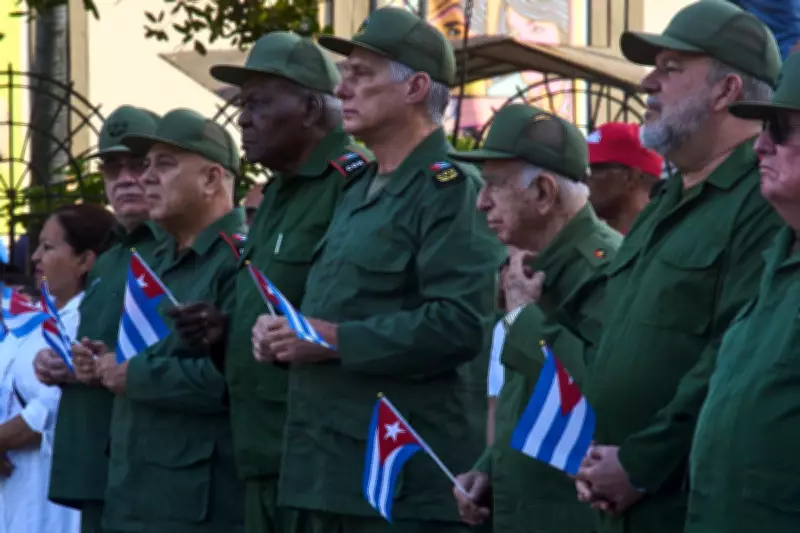
The timing of this dialogue is particularly instructive, coming shortly after public celebrations in Havana commemorating the 65th anniversary of the Cuban Revolution's socialist proclamation. President Miguel Diaz-Canel, who presided over those festivities, is now steering these diplomatic overtures, suggesting a strategic blend of ideological reaffirmation and pragmatic foreign engagement.

Analyzing the Diplomatic Context and Potential Implications
This confirmed meeting signals a potential, albeit cautious, thaw in bilateral relations. Several factors may be influencing this diplomatic movement:
- Regional energy dynamics and global supply chain pressures creating new incentives for cooperation.
- Evolving U.S. foreign policy priorities that may see value in stabilizing relations with a key Caribbean neighbor.
- Cuba's own economic necessities, which make resolving the energy crisis a top national imperative.
While the United States has yet to issue a detailed public response to Cuba's demands, the mere fact that high-level talks occurred on the island suggests a channel of communication is actively being utilized. The path forward remains complex, entangled in decades of mutual suspicion, legislative hurdles in the U.S., and Cuba's own political framework. However, this meeting establishes a tangible point of reference for future negotiations, moving beyond abstract posturing to concrete, issue-specific diplomacy focused on the critical sector of energy.