Cuba Denies U.S. Embassy Diesel Imports for Generators Amid Rising Tensions
In a move that underscores ongoing diplomatic friction, Cuba has refused to permit the United States Embassy in Havana to import diesel fuel for its generators. This decision comes as the island nation grapples with severe economic challenges and receives a significant influx of humanitarian aid from international sources.
Background and Context of the Dispute
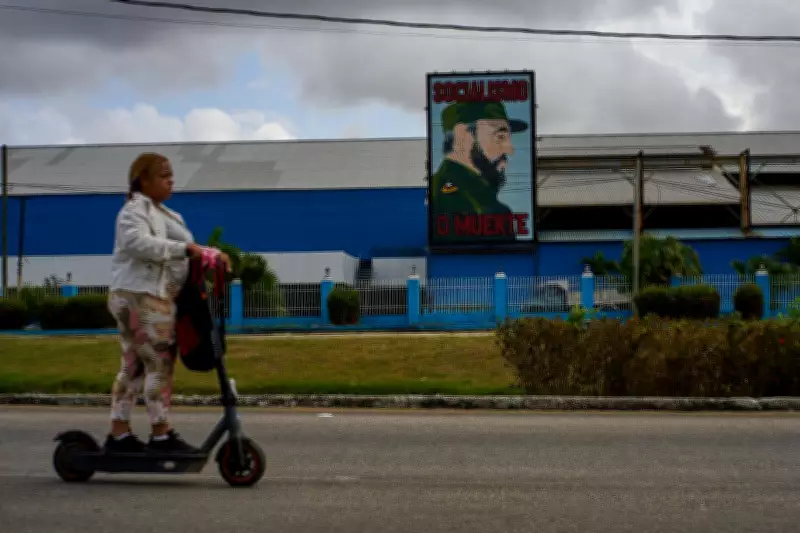
The refusal to allow diesel imports for the U.S. Embassy's generators highlights the strained relations between the two countries, which have persisted for decades. Cuba, under its socialist government, has long maintained a stance of sovereignty and resistance to U.S. influence, often citing historical grievances and economic sanctions as key factors in its policies.
This latest incident occurs against a backdrop of broader geopolitical tensions, with Cuba recently receiving tons of aid via a humanitarian convoy to address its struggling economy. The timing of the diesel denial suggests a deliberate political message from Cuban authorities, reinforcing their commitment to independence amid external pressures.

Implications for U.S. Embassy Operations
Without access to diesel for generators, the U.S. Embassy in Havana may face operational disruptions, particularly in maintaining reliable power supplies. Generators are often critical for ensuring continuous electricity in regions with unstable infrastructure, and this move could impact embassy functions, including consular services and diplomatic communications.
Experts note that such actions are not uncommon in diplomatic standoffs, where host countries use logistical barriers to express discontent. However, the specific targeting of fuel imports adds a tangible layer to the dispute, potentially affecting day-to-day activities and signaling Cuba's willingness to leverage practical constraints in its foreign policy.
Broader Diplomatic and Economic Ramifications
The diesel import refusal is part of a larger pattern of interactions between Cuba and the United States, which have seen periods of thaw and renewed tension over the years. Recent events, such as the arrival of humanitarian aid in Cuba, highlight the island's economic vulnerabilities, yet its government continues to assert control over key resources and access points.
This situation may influence future bilateral negotiations, as both sides navigate complex issues like trade, immigration, and regional stability. Observers are watching closely to see if this leads to further escalations or if it remains a symbolic gesture within the broader diplomatic landscape.
In summary, Cuba's denial of diesel imports for the U.S. Embassy generators serves as a pointed reminder of the enduring tensions between the two nations, with potential impacts on embassy operations and international relations.