Chinese diplomatic officials have issued a grave warning that the "flames of war" are spreading across multiple global regions, while simultaneously calling on the United States to help manage strategic differences between the two superpowers. This urgent appeal comes ahead of a highly anticipated meeting between Chinese President Xi Jinping and former U.S. President Donald Trump scheduled for later this year.
Escalating Global Tensions Prompt Diplomatic Alarm
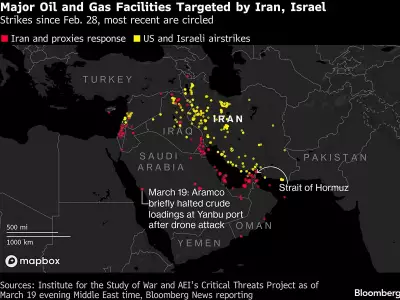
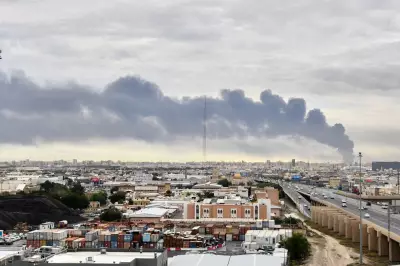
The Chinese government's statement represents one of its most direct public expressions of concern about international stability in recent years. Officials emphasized that multiple conflict zones worldwide are experiencing intensifying violence that threatens to spill across borders and destabilize entire regions. This warning arrives amidst ongoing conflicts in the Middle East, Eastern Europe, and other volatile areas that have drawn increasing international attention.
Pre-Summit Diplomacy Takes Center Stage
The timing of China's statement is particularly significant as it precedes what could be a pivotal diplomatic encounter between President Xi and former President Trump. While specific details about the meeting's agenda remain undisclosed, analysts suggest discussions will likely address trade imbalances, technological competition, and regional security concerns that have strained bilateral relations for years.

"The current international situation requires responsible powers to exercise restraint and seek common ground," a Chinese foreign ministry spokesperson stated during a press briefing. "We hope the United States will work with China to prevent misunderstandings from escalating into direct confrontation."
Historical Context of Xi-Trump Diplomacy
This will not be the first meeting between the two leaders, whose previous interactions have alternated between productive negotiations and public disagreements. Their relationship has navigated through trade wars, technological restrictions, and competing visions for global leadership since Trump's initial presidential term.
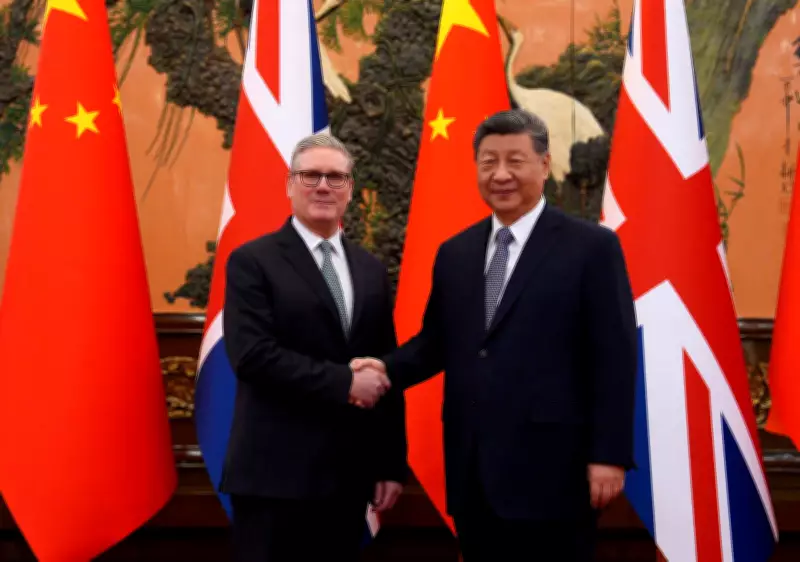
The upcoming summit follows recent diplomatic engagements between China and other Western nations, including British Prime Minister Keir Starmer's visit to Beijing in January 2026. That meeting resulted in agreements on economic cooperation and climate initiatives, suggesting China may be pursuing a broader strategy of re-engagement with Western partners.
Regional Conflicts Complicate Superpower Relations
Chinese officials specifically referenced ongoing conflicts that have tested international diplomatic mechanisms. The statement did not name specific nations, but current global hotspots include the protracted war between Iran and Israel, Russia's continued operations in Ukraine, and various regional disputes in Asia and Africa.
Experts note that China's warning reflects genuine concern about how regional conflicts might inadvertently draw major powers into direct confrontation. "When smaller conflicts escalate, they create conditions where miscalculations between nuclear powers become more likely," explained Dr. Li Wei, a professor of international relations at Peking University. "China's statement represents both a genuine security concern and a diplomatic overture to establish crisis management protocols with Washington."
The Path Forward for U.S.-China Relations
Despite the stark warning about spreading conflict, Chinese officials expressed cautious optimism about the potential for constructive dialogue with American counterparts. The statement emphasized areas where cooperation remains possible, including:
- Joint efforts to combat climate change and environmental degradation
- Coordinated responses to global health emergencies and pandemics
- Collaboration on non-proliferation and arms control initiatives
- Establishing communication channels to prevent military accidents
As preparations continue for the Xi-Trump meeting, diplomatic observers will monitor whether this public warning translates into concrete proposals for de-escalation mechanisms. The success or failure of this diplomatic engagement could significantly influence global stability throughout the remainder of the decade, determining whether major powers can manage their competition without triggering broader conflict.