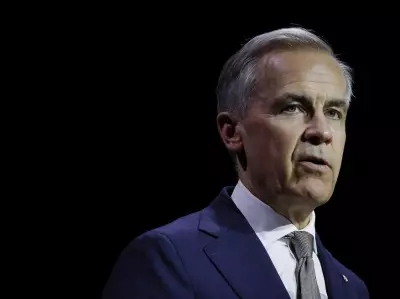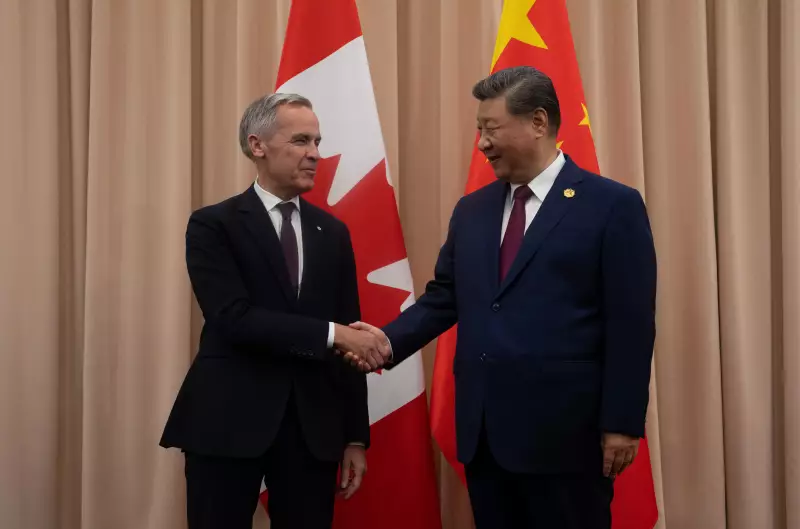
Canadian Prime Minister Mark Carney has landed in Beijing, setting the stage for a highly anticipated and diplomatically significant meeting with Chinese President Xi Jinping. The visit, which commenced on Wednesday, January 14, 2026, represents a critical moment for bilateral relations between the two nations.
Key Objectives for the Beijing Summit
The Prime Minister's agenda in the Chinese capital is multifaceted. A primary focus will be on navigating the complex landscape of international trade, particularly concerning electric vehicle (EV) tariffs, which have been a point of contention. Analysts suggest Carney must proceed with a balanced approach, fostering economic cooperation while protecting Canadian interests.
Another significant goal for the Canadian delegation is to attract Chinese private sector investment into Canada. This effort is seen as a strategy to bolster economic growth and create new partnerships across various industries, though it is expected to be approached with careful consideration of national security and economic sovereignty.

Domestic Context and Parallel Priorities
Carney's international mission follows closely on the heels of important domestic engagements. Just prior to his departure for Asia, the Prime Minister met with leaders of the Coastal First Nations in British Columbia. This meeting was aimed at addressing concerns and pushback regarding major resource and infrastructure projects, highlighting the government's attempt to balance economic development with Indigenous rights and environmental stewardship.
The trip to China occurs amidst a backdrop of other pressing national issues, from a housing affordability crisis to infrastructure challenges, underscoring the broad range of files demanding the federal government's attention.
Strategic Implications and the Road Ahead
The outcome of the Carney-Xi discussions could have lasting implications for Canada's economic and foreign policy direction. Success in easing trade tensions and securing responsible investment would be a major diplomatic win. However, the talks are occurring in a globally competitive environment, where Canada must also align its policies with key allies.
As the meetings unfold in Beijing, observers both in Canada and internationally will be watching closely for signals on the future of this crucial bilateral relationship. The Prime Minister's ability to advance Canadian interests while engaging constructively with a major global power will be a key test of his government's foreign policy agenda in 2026.