Canada's Greenland Consulate Opening Draws Sharp Criticism as Diplomatic Misstep
The federal government's decision to proceed with opening a consulate in Nuuk, Greenland, this week has been labeled a performative and ill-timed diplomatic action that risks further distancing Canada from its most important ally, the United States. Despite previous threats from U.S. President Donald Trump to annex Greenland by force having subsided, Prime Minister Mark Carney and Foreign Affairs Minister Anita Anand have moved forward with what critics describe as unnecessary provocation in the delicate Arctic region.
Questionable Timing and Diplomatic Priorities
Consulates traditionally serve as offices established in foreign nations to promote trade and protect citizens' interests abroad. However, serious questions arise about how many Canadians actually require diplomatic protection in Greenland and what substantial trade benefits this remote outpost will generate for Canadian taxpayers. The timing appears particularly questionable given the recent resolution of territorial disputes between Canada and Denmark over Hans Island, known colloquially as the "whisky war" for the friendly exchange of spirits between the two nations during their diplomatic standoff.
While that dispute carried a somewhat comedic edge, it nevertheless highlighted how border conflicts between neighboring countries can and do occur, particularly in resource-rich Arctic regions where sovereignty claims remain contested. The recent agreement involving the United States, which maintains a military base on Greenland, provides security protection not just for the island but for the broader North American region, making Canada's consular presence appear redundant at best.

Inuit Leaders' Visit Highlights Domestic Disparities
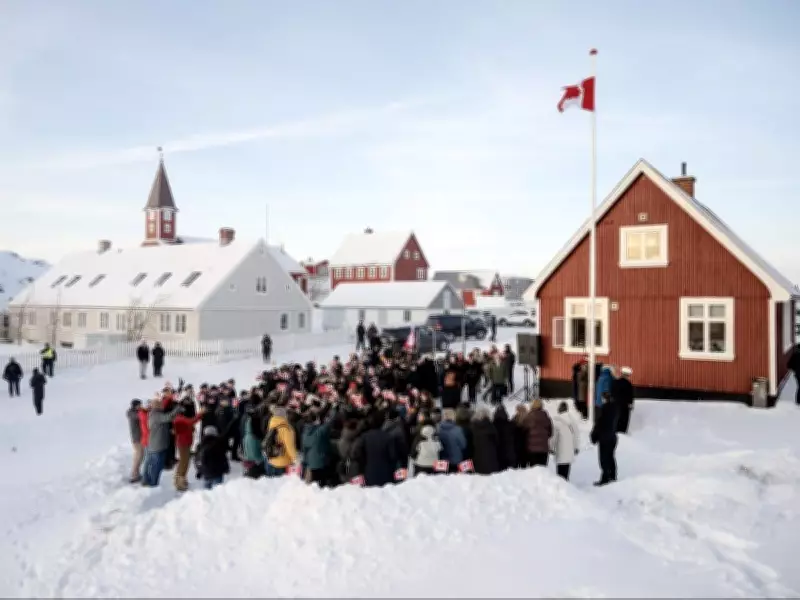
Coinciding with the consulate opening, more than seventy Inuit leaders traveled to Nuuk at their own expense, demonstrating their commitment to Arctic solidarity. While their dedication deserves recognition, their visit inadvertently highlighted stark contrasts between living conditions in Greenland and Canada's northern communities. Television coverage showed Air Inuit planes landing in Nuuk against a backdrop of colorful, well-maintained houses in a pristine Arctic community.
This imagery stands in sharp contrast to many Indigenous communities across Canada's North, where housing remains marginal at best and basic amenities like clean drinking water continue to be pressing concerns. The visual comparison raises legitimate questions about whether Canada should prioritize resolving its own domestic challenges before engaging in what critics characterize as virtue signaling in foreign territories.
Broader Implications for Canada-U.S. Relations
The consulate opening comes at a delicate moment in Canada-U.S. relations, with some analysts suggesting it represents an unnecessary provocation that could strain diplomatic ties. As Canada faces numerous domestic challenges requiring attention and resources, this diplomatic move has been characterized as poorly timed and potentially counterproductive. Rather than strengthening Canada's position in the Arctic, critics argue it may serve only to create unnecessary friction with the United States while diverting resources from more pressing domestic priorities.
The federal government's decision to proceed with this consular expansion despite the changed geopolitical landscape raises fundamental questions about Canada's foreign policy priorities and strategic timing in an increasingly complex Arctic environment.