Canada Rejects Iraqi Government's Assertion on ISIL-Era Detainees
The Canadian government has firmly denied claims made by Iraqi officials that Ottawa is prepared to accept detainees from the Islamic State (ISIL) era currently held in Syrian detention facilities. This rebuttal comes amid ongoing international discussions about the fate of thousands of individuals, including fighters and their families, captured during the conflict against the militant group.
Background on the Detention Crisis
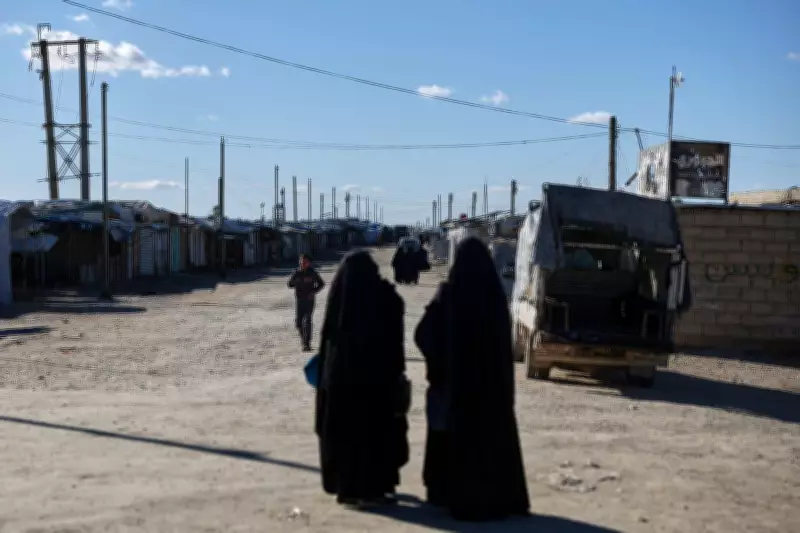
Since the decline of ISIL's territorial control, detention camps in northeastern Syria, such as al-Hol, have housed approximately 10,000 foreign nationals from over 60 countries. These facilities, now under Syrian government oversight following the withdrawal of the Syrian Democratic Forces (SDF), have raised significant humanitarian and security concerns globally. Many detainees include women and children linked to ISIL members, complicating repatriation efforts due to fears of reintegration risks and potential threats.
Canada's Official Stance
In response to the Iraqi claim, a spokesperson for Global Affairs Canada stated that Canada has not agreed to take in these detainees and is focused on its existing policies regarding national security and international cooperation. The government emphasized its commitment to addressing the root causes of extremism through diplomatic channels and support for stabilization efforts in the region, rather than through large-scale repatriation of detainees.

This position aligns with Canada's broader foreign policy, which prioritizes the safety of its citizens and adherence to legal frameworks. Officials noted that any decisions regarding detainees would involve rigorous security assessments and consultations with allies, including the United States and European nations, who face similar dilemmas.
International Implications and Reactions
The Iraqi government's assertion, which lacked specific details on the timing or number of detainees involved, has sparked debate among international observers. Some experts argue that redistributing detainees could alleviate pressure on overcrowded Syrian camps, but others warn of the logistical and security challenges. Human rights organizations have called for transparent processes to ensure fair treatment, especially for vulnerable groups like children.
Canada's denial may influence ongoing negotiations within multilateral forums, such as the United Nations, where member states are grappling with shared responsibilities. The situation underscores the complexities of post-conflict management in regions affected by terrorism, highlighting the need for coordinated global strategies.
Looking Ahead
As discussions continue, Canadian authorities are expected to maintain a cautious approach, balancing humanitarian concerns with security imperatives. The government has reiterated its support for local initiatives in Syria and Iraq aimed at rehabilitation and reconciliation, rather than direct involvement in detainee transfers. This stance reflects a broader trend among Western nations navigating the legacy of the ISIL conflict while safeguarding national interests.