Canadian Defence Minister Anita Anand has publicly stated that a Canadian citizen has died "at the hands of the Iranian authorities." The declaration, made on January 15, 2026, represents a significant and direct accusation from the Canadian government against the regime in Tehran.
Official Accusation and Context
The announcement was delivered by Minister Anand, though specific details regarding the identity of the deceased citizen or the precise circumstances of the death were not immediately disclosed. The statement was issued against the backdrop of severe unrest within Iran, where a widespread crackdown on protesters has been ongoing.
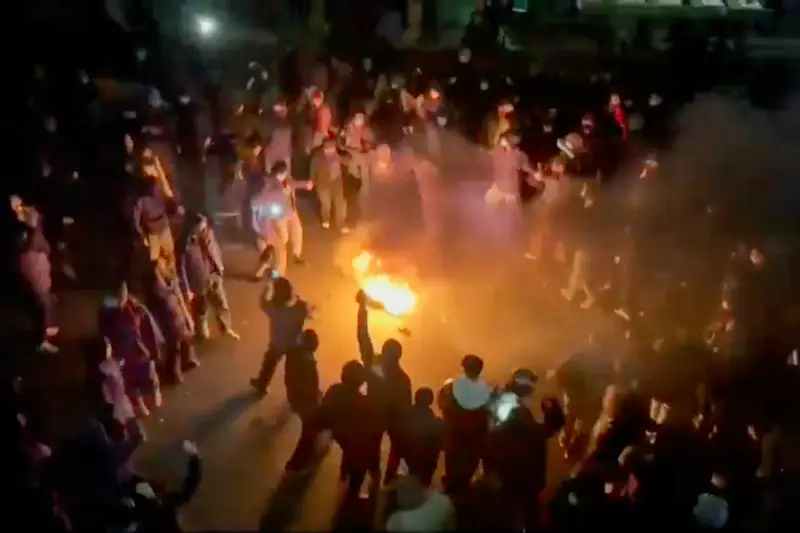
The timing of Canada's accusation aligns with reports of a partial restoration of phone service in Iran, following a prolonged, government-imposed internet and communications blackout. This blackout was widely seen as an attempt to smother nationwide protests and hide the extent of the state's violent response from the world.

Broader Crackdown in Iran
Iran has been engulfed in protest for weeks, facing what a former Iranian justice minister described as "unprecedented mass murder." The regime's response has been brutal, with the country's top judge threatening fast-track trials and executions for demonstrators. The situation prompted the United States to urge its citizens to leave Iran, fueling speculation about potential international repercussions.
Former U.S. officials have commented on the volatility, with one ex-envoy expressing skepticism about the viability of certain diplomatic options. Meanwhile, figures like former U.S. National Security Advisor Richard Haas argued that siding with demonstrators was the "right thing" to do.
Implications for Canada-Iran Relations
Minister Anand's unequivocal language marks a hardening of Canada's stance. By attributing the death directly to the Iranian authorities, Ottawa is moving beyond expressions of concern to a formal accusation of state responsibility. This incident is certain to further strain diplomatic relations, which have been historically tense.
The Canadian government now faces pressure to detail its response, whether through sanctions, further diplomatic isolation of Iran, or support for international investigations. The protection of citizens abroad remains a paramount concern, and this event will likely influence Canada's foreign policy in the region for the foreseeable future.
As of January 15, 2026, the focus remains on obtaining justice for the deceased Canadian and holding the implicated authorities accountable. The Canadian government is expected to provide more information as its investigation progresses.