Canada and France Strengthen Arctic Presence with New Greenland Consulates
In a significant diplomatic move highlighting growing international interest in the Arctic region, both Canada and France have officially opened consulates in Nuuk, Greenland. This development comes as geopolitical tensions rise in the far north, with nations increasingly vying for influence in the rapidly changing polar landscape.
A Small Building with Substantial Symbolism
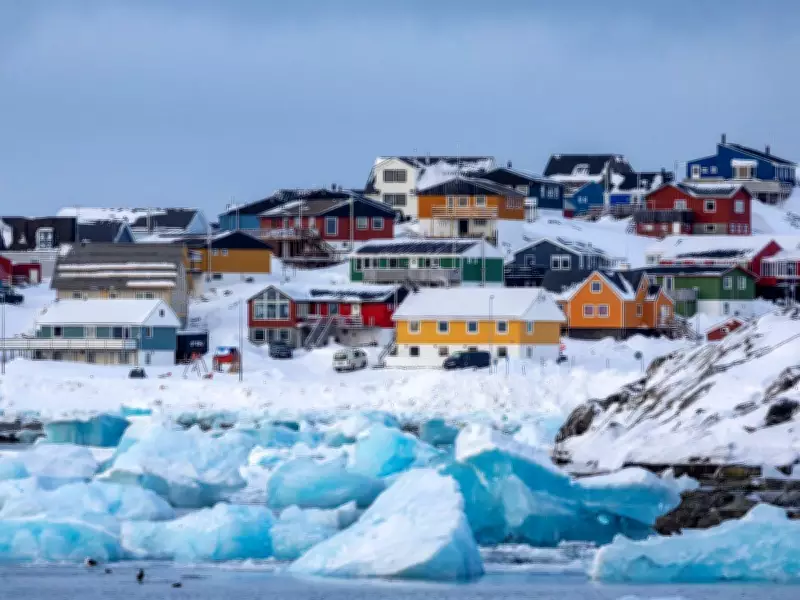
The Canadian consulate occupies a modest terracotta-red house that it shares with the Icelandic government. Despite its physical size and serving a small expatriate community of approximately nineteen Canadians alongside occasional stranded tourists, the outpost carries profound symbolic weight. Its establishment represents Canada's strategic bid to assert a more prominent role in the fast-globalizing Arctic, a region experiencing unprecedented transformation due to climate change.
A delegation of senior Canadian officials traveled to Nuuk for Friday's opening ceremony, underscoring the importance Ottawa places on this diplomatic initiative. Foreign Minister Anita Anand emphasized that Arctic security remains a top priority for Prime Minister Mark Carney's government, describing the consulate as a milestone that directly responds to Canada's Arctic foreign policy objectives.

France's Parallel Diplomatic Move
France simultaneously opened its own consulate in Greenland, with newly appointed Consul Jean-Noel Poirier stating that his presence confirms President Emmanuel Macron's commitment to the sovereignty and territorial integrity of both Denmark and Greenland. Poirier emphasized alignment with Danish interests, stating clearly that France will not undertake any actions not fully coordinated with their Danish counterparts.
Responding to Regional Challenges and Opportunities
Both Canada and France have moved swiftly in recent weeks to demonstrate support for Greenland. For Canada specifically, the stakes are particularly high as the nation seeks to reassert its Arctic interests following what many analysts describe as decades of regional neglect. This renewed engagement comes as Russia and China expand their presence in the far north, and following former U.S. President Donald Trump's controversial declaration that America "needs" Greenland for security reasons.
Ottawa's response includes not only enhanced diplomatic presence but also a defense buildup in the region. The Canadian government further plans to open a diplomatic mission in Anchorage, Alaska, creating what observers describe as a strategic bracketing of Canada's Arctic interests between two longstanding allies whose relationship has become increasingly complex.
Shared Sovereignty Concerns and Strategic Positioning
Canada and Greenland share significant common ground, including intermittent but persistent challenges to their sovereignty posed by shifting U.S. policy under different administrations. While current tensions have somewhat subsided, experts warn against complacency given the potential for sudden policy reversals.
Andreas Osthagen, research director for Arctic and ocean politics at Norway's Fridtjof Nansen Institute, noted that "it's a matter of when, and not if" former President Trump resumes expansionist rhetoric regarding the Arctic region. This uncertainty underscores the strategic importance of Canada's diplomatic initiatives in Greenland.
Geographic Realities and Security Considerations
When viewed from a polar perspective, strengthened security ties between Canada and Greenland appear both logical and necessary. However, policy implementation faces practical challenges, including Canada's population distribution with most citizens living within one hundred kilometers of the U.S. border. This demographic reality has historically influenced Canada's Arctic engagement, making the new consulate's establishment particularly significant as a symbol of renewed northern commitment.
The opening ceremony in Nuuk featured prominent Canadian figures including Governor General Mary Simon, who represents King Charles III in Canada, alongside Foreign Minister Anand. This high-level participation further emphasizes the diplomatic importance Canada attaches to its expanding Arctic presence.