Canada Explores Evacuation Options for Citizens Amid Middle East Conflict
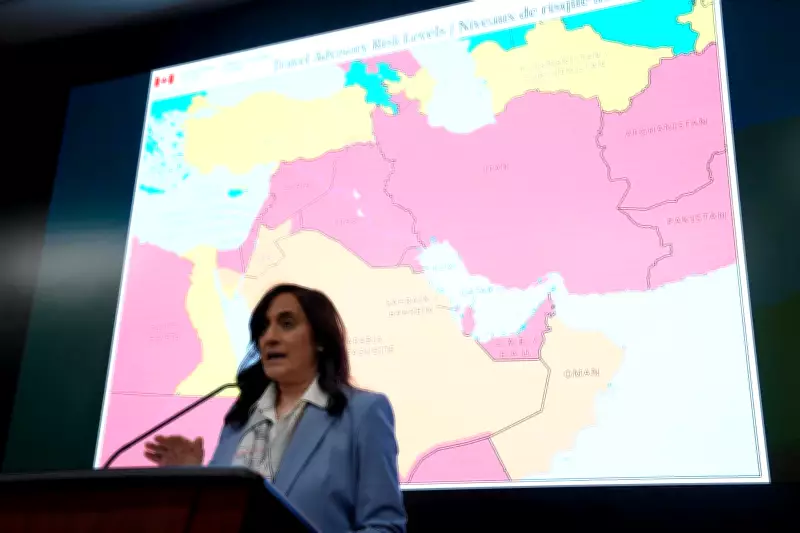
The Canadian government is actively pursuing strategies to safely evacuate its citizens from escalating conflict zones in the Middle East, as tensions rise and military actions intensify across the region. This initiative comes amid growing concerns over the safety of Canadians abroad, with officials working diligently to coordinate exit plans from volatile areas.
Escalating Tensions Prompt Government Action
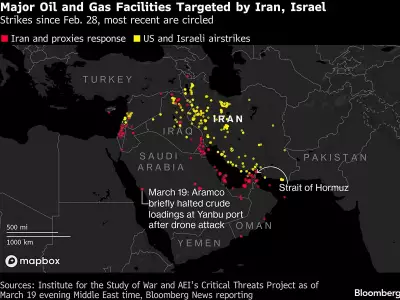
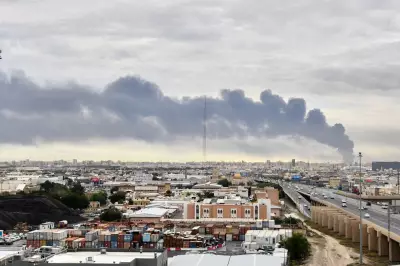
Recent developments in the Middle East have created an increasingly dangerous environment, prompting Ottawa to prioritize the security of its citizens. The conflict has seen significant military engagements, including targeted strikes and expanded campaigns, which have raised alarms about potential threats to foreign nationals. Canadian authorities are now evaluating multiple evacuation pathways to ensure safe passage for those caught in the crossfire.
Coordinated Efforts and Diplomatic Channels
Government sources indicate that diplomatic channels are being leveraged to facilitate these evacuation efforts. This includes collaboration with international partners and regional allies to establish secure routes and temporary safe havens. The complexity of the situation requires meticulous planning, as logistical challenges and security risks must be carefully navigated to protect evacuees.

- Identifying and verifying the locations of Canadian citizens in affected areas
- Establishing communication protocols to provide updates and instructions
- Coordinating transportation, such as airlifts or ground convoys, with military or civilian assets
- Ensuring medical and humanitarian support for evacuees during transit
Broader Context of Regional Instability
The push for evacuation options unfolds against a backdrop of heightened regional instability. Military actions have expanded, with various nations involved in operations that have further complicated the security landscape. This volatility underscores the urgency of Ottawa's efforts, as prolonged conflict could hinder access and increase dangers for those seeking to leave.
In parallel, international responses to the conflict continue to evolve, with diplomatic shifts and strategic partnerships influencing the overall dynamics. Canada's focus remains squarely on safeguarding its citizens, while also monitoring broader implications for global security and foreign policy.
Preparedness and Public Communication
Authorities are emphasizing the importance of preparedness and clear communication with the public. Canadians in the region are advised to stay informed through official channels and register with consular services to receive timely alerts. The government is committed to providing regular updates as evacuation plans are refined and implemented, ensuring transparency and accountability in these critical operations.
As the situation develops, Ottawa's proactive approach highlights its dedication to citizen safety in times of international crisis. The ongoing efforts reflect a comprehensive strategy to address immediate risks while planning for potential escalations, aiming to bring Canadians home safely from the war-torn Middle East.