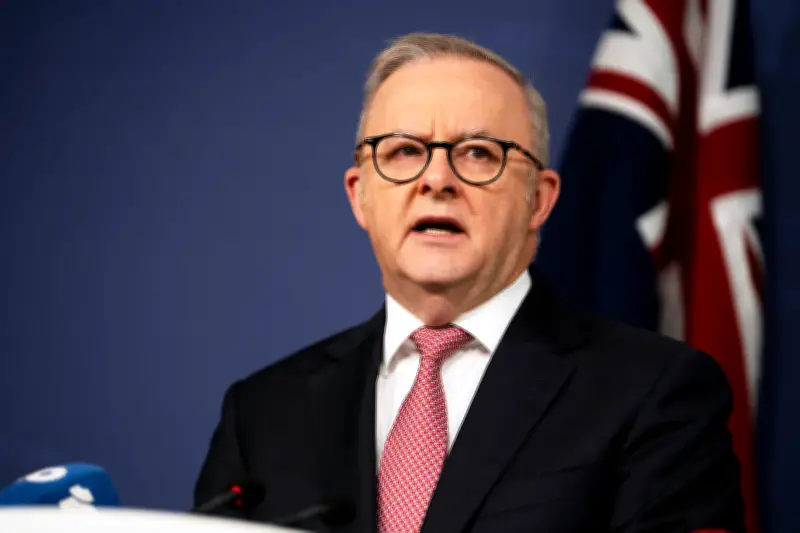
Australia is intensifying its sports diplomacy efforts across the Pacific Islands as part of a broader strategy to counter China's expanding influence in the region. The initiative, championed by Prime Minister Anthony Albanese, leverages popular sports such as cricket, rugby, and soccer to foster closer ties with Pacific nations.
Sports as a Diplomatic Tool
Sports diplomacy has long been a cornerstone of Australia's foreign policy in the Pacific. The government is now allocating additional funding for coaching programs, infrastructure development, and athlete exchanges. These programs aim to build people-to-people connections and promote Australian values, according to officials.
China has also increased its engagement in the Pacific, offering infrastructure loans and cultural exchanges. Australia's sports push is seen as a soft-power response to maintain its traditional influence in the region.

Key Sports and Initiatives
Cricket is a major focus, with Australia supporting the development of the sport in Papua New Guinea, Fiji, and Vanuatu. Rugby league and rugby union programs are expanding in Samoa, Tonga, and the Solomon Islands. Soccer initiatives target youth engagement in Fiji and the Marshall Islands.
“Sports bring our communities together and create lasting bonds,” said a spokesperson for the Australian Department of Foreign Affairs and Trade. “Through these programs, we are investing in the future of the Pacific.”
Impact and Reactions
The Pacific Islands Forum has welcomed Australia's efforts. “Sports diplomacy is a powerful tool for regional cooperation,” said a Forum representative. However, some analysts caution that Australia must ensure its programs are sustainable and not perceived as a direct challenge to China.
According to a 2025 report by the Lowy Institute, Australia's aid to the Pacific totals approximately $1.5 billion annually, with sports programs receiving a modest but growing share. The government has committed an additional $50 million over five years for sports diplomacy.