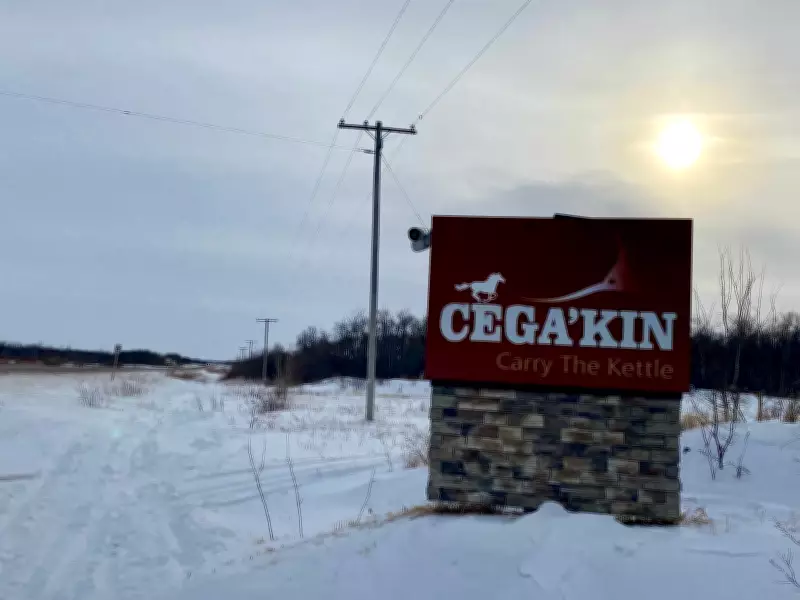
A youth has been sentenced for manslaughter in connection with the deaths of two individuals on the Carry the Kettle Nakoda Nation. The sentencing, delivered by a Regina court, brings a measure of closure to a case that has deeply affected the community.
Details of the Case
The youth, who cannot be named under provisions of the Youth Criminal Justice Act, was found guilty of two counts of manslaughter. The charges stemmed from an incident on the Carry the Kettle Nakoda Nation that resulted in the deaths of two community members. The court heard evidence that the youth was involved in a confrontation that escalated, leading to the fatalities.
Community Impact
The Carry the Kettle Nakoda Nation, located about 100 kilometres east of Regina, has been in mourning since the homicides occurred. Community leaders have expressed a mix of emotions following the sentencing, acknowledging the tragedy while also emphasizing the need for healing and reconciliation. The case has highlighted ongoing issues of violence and the need for support services in Indigenous communities.

Legal Proceedings
During the sentencing hearing, the court considered the youth's age, background, and the circumstances of the offence. The Crown had argued for a custodial sentence, while the defence sought leniency, citing the youth's potential for rehabilitation. The judge ultimately imposed a sentence that includes a period of custody followed by supervised probation. The exact terms of the sentence are protected under the Youth Criminal Justice Act.
Reactions
Family members of the victims expressed mixed feelings about the sentence. Some felt that justice had been served, while others believed the punishment was too lenient. The youth's family also spoke, expressing remorse and a desire for the community to move forward. The case has sparked discussions about the youth justice system and its handling of serious offences committed by young people.
Broader Context
The homicides on Carry the Kettle are part of a troubling pattern of violence in some Indigenous communities across Canada. Advocates have called for more resources for mental health, addiction treatment, and conflict resolution programs to address the root causes of such incidents. The sentencing of the youth is seen as one step in a longer journey toward community safety and healing.
As the community continues to grieve, leaders are focusing on prevention and support. The case has also prompted calls for a renewed commitment to addressing systemic issues that contribute to violence. The sentencing marks the end of the legal process, but the work of rebuilding and healing is just beginning.