William Watson: Let’s Cut Back on the Circuses Spending
Some people say governments should maximize citizens' fun. Let's let Canadians decide on their own how much fun their money buys.
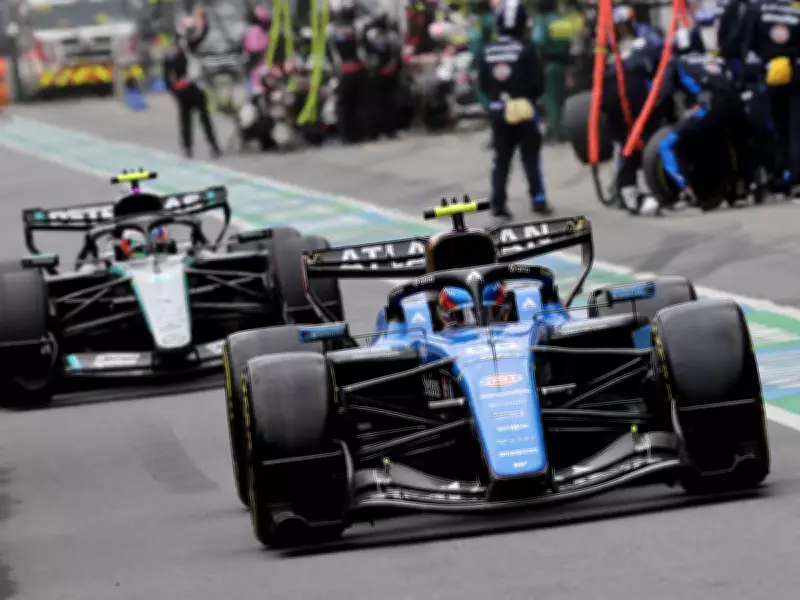
I’ve never been a big Formula 1 racing fan. It’s too hard to tell the cars apart, though the little floating name tags TV now puts on them do help. And it’s like horse racing: the driver isn’t the real athlete. This weekend’s F1 race in Montreal featured a duel between two Mercedes cars, which suggests the real stars this year are Mercedes engineers. To test the drivers fairly, they should each get a turn in every car. As baseball great Larry Walker said when he came second to Jacques Villeneuve for 1997 Canadian athlete of the year: “I lost to a car.”
What’s undeniably fun, though, is watching the on-track billboard ads whiz by as the cars roar their way around the circuit. Some noteworthy ones this year: Aramco (the Saudi oil company), Louis Vuitton (luxury fashion), Moët et Chandon (champagne), Las Vegas (we don’t actually know because what goes on there stays there), Qatar Airways (luxury travel), MSC Cruises (more luxury travel), allwyn (gaming and lotteries), crypto.com (same sort of thing, with money no one understands), and so on. When Mercedes driver George Russell’s engine blew on the 30th lap he ended up parked in front of a big American Express ad. I wonder if the extra eyeballs thus generated made anybody any money.

It’s clear F1 is targeting people who aren’t greatly troubled by the affordability crisis. But isn’t it nice every once in a while to see redistribution toward the top of the income ladder? For among the race’s “funding partners” were the governments of Montreal, Quebec and Canada. (Quebec’s trackside billboards read only “bonjour québec” — not “bonjour/hi québec,” though the province presumably wants the money of non-francophone visitors, too.) Funding entertainment aimed at the deserving rich is outside-the-box redistribution.
Our governments claim that funding F1 and similar events (e.g., soccer’s World Cup) makes them money. In fact, F1 mainly seems to be a taxpayer subsidy to the Montreal hotel industry. Nothing against hotels but if they can’t make money without the freedom the subsidies give them to jack up prices to F1 levels one weekend a year, they should try something else for a living.
Governments claim there’s a net economic benefit from the big events they sponsor but if you’re mainly persuading either locals or “casual non-locals” who would visit anyway, to spend their money on F1 instead of something else, all you’re really doing is reallocating people’s entertainment dollar: F1 gets it; others, including local providers, don’t. Where’s the logic in that?
But even if F1 does attract visitors who wouldn’t otherwise come here and they do drop dollars, since when did government get into the business of trying to make money by promoting sports extravaganzas? Better they stick to what they’re supposed to do: fix the damn potholes and get the three R’s into our kids’ heads.
The customarily sensible Cathal Kelly, one of the country’s best sportswriters along with our own Steve Simmons, says in this regard that we have a national obligation to take our turn every so often in these money-devouring international fests, even if they chronically overspend budgets that are bloated to begin with.