If Canada's top Tories were in one room, they'd need interpreters — they share so little in common. Someone needs to gather Canada's Conservative leaders into a room and press them on what it is they think they're doing.
First question: Other than the name, which in any case varies from place to place, just what is it you think you have in common? Is there anything about the word 'conservative' you agree on?
I'm not being facetious. Maybe a little. Or maybe not. The whole notion of 'conservatism' seems to be so open to interpretation it's fair to wonder if even its proponents have a shared grasp of the concept.

The Three Fs of British Columbia Conservatism
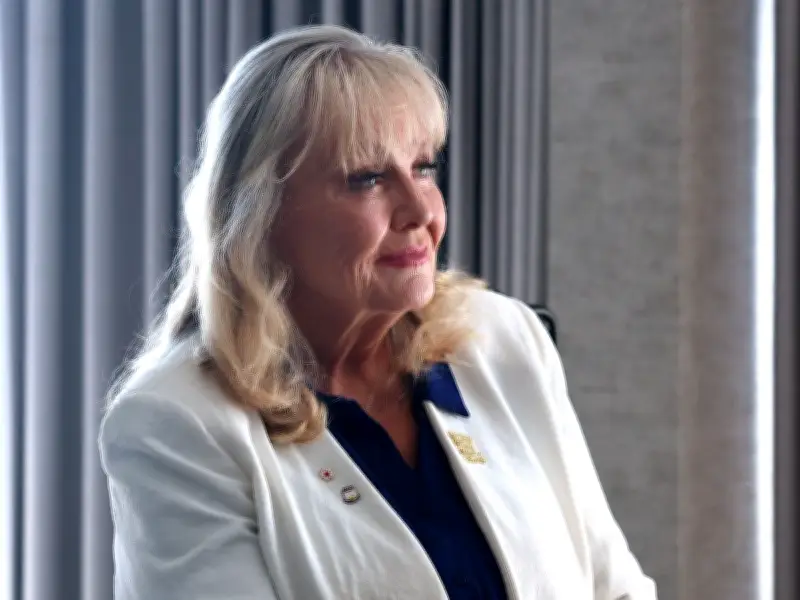
The reason I ask stems from the new British Columbia Conservative leader Kerry-Lynne Findlay's declaration that, as far as she's concerned, the party she was narrowly chosen to head is all about 'faith, family and freedom.'
I doubt many Canadians are opposed to any of those three interests, but I also suspect many of them would also argue the role of a government is to manage the country, not dictate personal values or spiritual inclinations. Freedom? Yeah, we want it, but is Conservative freedom different from other freedom? Is there a Conservative definition we can hold up for comparison to other partisan, non-partisan or general-onlooker definitions?
I'm thinking health care here. And education. And interprovincial trade. And inflation. And the employment outlook for young people in the face of flailing government policies and technological change. Not sure how the three Fs play into that, maybe the new premier could explain.
Alberta's United Conservatives: United in Disunity
Next door in Alberta, the United Conservatives of Alberta are notably un-united and engaged in a risible debate over whether or not to remain in Canada. No, that's wrong — the debate is about holding a vote on whether to have a referendum on whether to start a process on…. oh, never mind. Mainly they're engaged in deciding whether a loud and cranky minority can manoeuvre an opportunistic premier into helping them turn historical resentments into a national crisis.
Health care? Education? Jobs? Sorry kids, you'll have to wait, we're having a meltdown here.
Saskatchewan and Manitoba: Different Paths
Saskatchewan doesn't have a functional Conservative party. It used to have one, but the name was switched to help divert attention from the level of unpopularity it achieved. Now it has a Saskatchewan Party, which is essentially conservative in that it tries to run a government that pays the bills, collects the taxes and runs the programs it was elected to run.
That makes it an outlier from the provinces to its west, and the one to its east, where the Manitoba Conservatives are working to erase memories of the mess left behind by a Progressive Conservative government whose leader spent much of his time in Costa Rica. It now has a new leader, a new party president, a new logo and a pledge that 'A New Era Has Begun.' So much new stuff; shouldn't a party this established already know what it's about? Anyway, the all-new old party faces an uphill battle against a government headed by the most popular premier in Canada, so expunging the past could take a while.
Ontario's Doug Ford: A Sharp Reversal
The least popular premier is across the border in Ontario, where Doug Ford has seen a sharp reversal in fortunes even as he celebrates eight years in office. To mark the occasion he called a 21-week summer break for the legislature, which won't be back in business until almost November.