Venezuelan Opposition Figure's Family Member Regains Freedom After Lengthy Detention
In a notable development within Venezuela's turbulent political sphere, the son-in-law of prominent opposition candidate Edmundo Gonzalez has been released from state custody. The individual had been detained for a staggering 380 days, representing over a year of confinement without public trial or detailed official charges being widely disclosed.
Extended Detention Without Clear Resolution
The prolonged detention period of nearly thirteen months highlights ongoing concerns about judicial processes and political freedoms within the South American nation. While specific details surrounding the arrest and subsequent release remain somewhat opaque, the timing coincides with increased international scrutiny of Venezuela's human rights record and treatment of opposition figures and their associates.
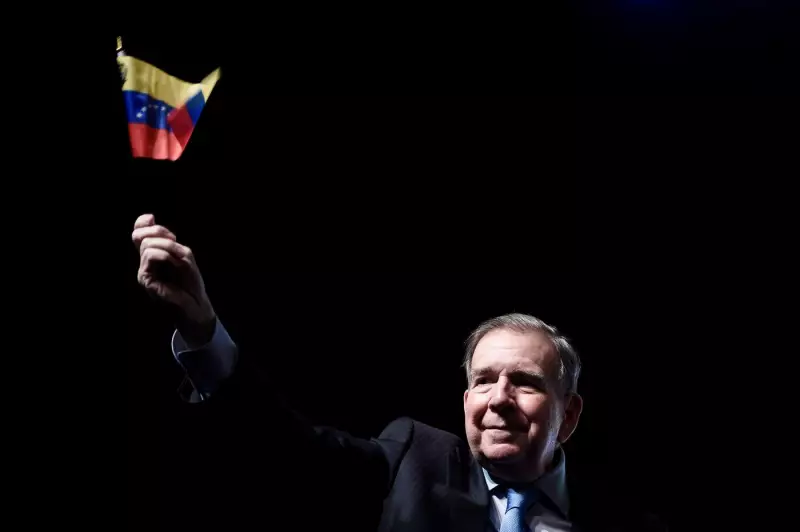
Edmundo Gonzalez, the opposition leader connected to this case, has been a visible figure in Venezuelan politics, recently photographed engaging with supporters in Panama City while waving the Venezuelan flag. His political activities have positioned him as a significant voice against the current administration, making his family's legal troubles particularly noteworthy within the context of Venezuela's polarized political environment.

Broader Implications for Political Climate
This release occurs against a backdrop of continued tension between government authorities and opposition movements in Venezuela. The detention of family members of political figures represents a concerning pattern that has drawn criticism from international human rights organizations and foreign governments monitoring the situation.
The 380-day detention period raises questions about due process and the treatment of individuals connected to opposition politics. While the release represents a positive development for the individual and family involved, it does little to alleviate broader concerns about political persecution and arbitrary detention practices that have been documented by various monitoring groups.
As Venezuela continues to navigate complex economic challenges and political divisions, cases like this one serve as reminders of the personal toll exacted by the country's ongoing political struggles. The release may signal potential shifts in approach or could simply represent an isolated resolution without indicating broader policy changes regarding treatment of opposition affiliates.
International observers will likely monitor whether this development leads to improved conditions for other detained individuals or represents merely a temporary reprieve in an otherwise challenging human rights landscape. The case underscores the intricate relationship between political activism, family connections, and personal vulnerability within contested political systems.