A Glimmer of Hope for Democracy in Venezuela as Opponents Test Free Speech Limits
In a significant development for the politically turbulent nation of Venezuela, opposition figures are actively testing the limits of free speech, offering a rare beacon of hope for democratic processes. This movement represents a critical challenge to the established political order and underscores the enduring struggle for fundamental freedoms within the country.
The Opposition's Courageous Stand
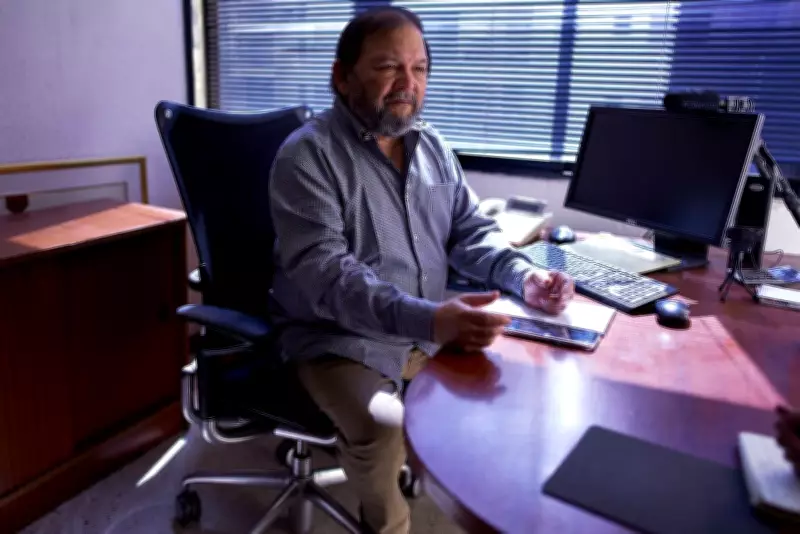
Led by figures such as opposition leader Andrés Velásquez, whose recent activities in Caracas have drawn attention, Venezuelan dissidents are pushing back against restrictive measures. Their actions signal a growing willingness to publicly contest the status quo, despite the considerable risks involved. This bold stance is being closely monitored by international observers who view it as a potential turning point for civil liberties in the region.
The Broader Context of Political Struggle
This push for expanded free speech occurs against a backdrop of severe economic hardship and prolonged political instability that has characterized Venezuela for years. The opposition's strategy involves utilizing both traditional and digital platforms to amplify their message, aiming to mobilize public support and draw global awareness to their cause. Their efforts highlight the intrinsic link between open discourse and the health of any democratic system.

Analysts suggest that these developments, while nascent, could pave the way for more substantive political dialogue and reform. However, the path forward remains fraught with uncertainty, as historical precedents in Venezuela have shown that challenges to authority often meet with significant resistance.
International Implications and Observance
The international community, including neighboring countries and global democratic alliances, is watching these events with keen interest. The outcome of this test of free speech could have profound implications for regional stability and the global perception of Venezuela's political trajectory. It serves as a reminder of the universal and ongoing fight for the right to express dissent and participate in governance.
Ultimately, the courage displayed by Venezuela's opposition in testing these boundaries is not just about words; it is a fundamental assertion of the human desire for self-determination and accountable leadership. Whether this glimmer of hope can ignite broader democratic renewal remains one of the most pressing questions in contemporary Latin American politics.