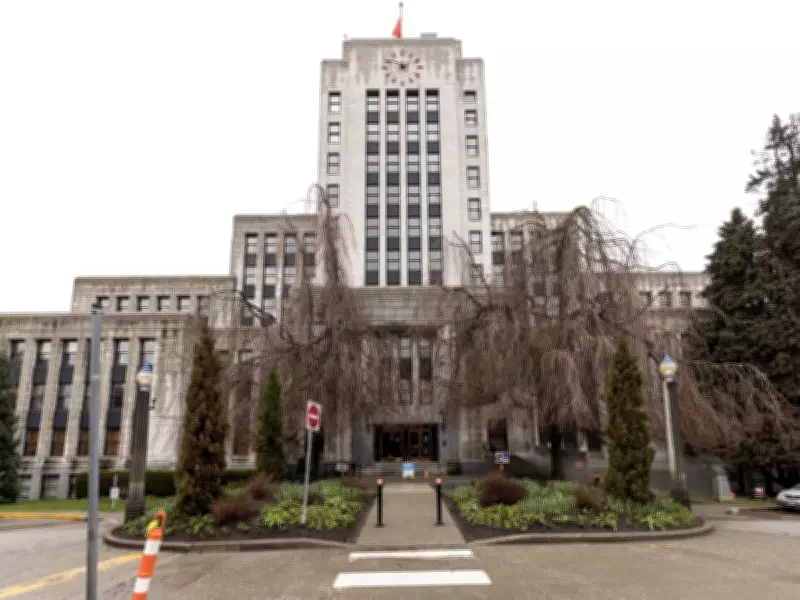
Vancouver city council is set to vote on a motion from Mayor Ken Sim that seeks to streamline housing construction by aligning the city's building codes with provincial standards. The motion, which goes before a council committee on Wednesday, aims to reduce regulatory hurdles that have contributed to high home prices and rents in the city.
Aligning with Provincial Standards
Sim's motion notes that Vancouver is the only municipality in British Columbia with its own standalone building code. This limits builders' ability to use standardized designs, modular construction, and prefabricated components, driving up costs. The motion asks staff to find ways to align Vancouver's codes with baseline provincial standards, requiring justification for any divergence, including quantified cost impacts and a clear explanation of public benefit.
Pausing Energize Vancouver Program
Another element of the motion would pause the Energize Vancouver program, which was designed to reduce emissions in new buildings through energy efficiency upgrades and renewable energy options. The motion states that stakeholders in business, labour, and the plumbing, heating, and cooling industries have identified that limiting options for water heating increases costs and hurts affordability. It directs staff to restore homeowners' ability to choose hot water heater replacements that best suit their needs, effectively repealing a bylaw requiring replacement of natural gas water heaters with electric ones starting in 2027.

Reactions and Context
The motion has drawn reactions from groups opposed to a similar attempt in 2024 to reverse water heater policy. In July of that year, council surprised many by directing staff to amend bylaws to allow natural gas for heating and hot water in new construction, reversing a 2020 policy aimed at reducing carbon pollution. ABC council members who supported the reversal argued it would speed housing construction and improve affordability. However, a group of builders countered that financing terms, permitting times, development cost charges, labour, and material costs were greater factors on affordability. In November 2024, council split 5-5 on the proposed bylaw amendments, meaning natural gas for heating and hot water in new buildings was not allowed.