Vice President Vance Addresses Speculation on Rivalry with Senator Rubio
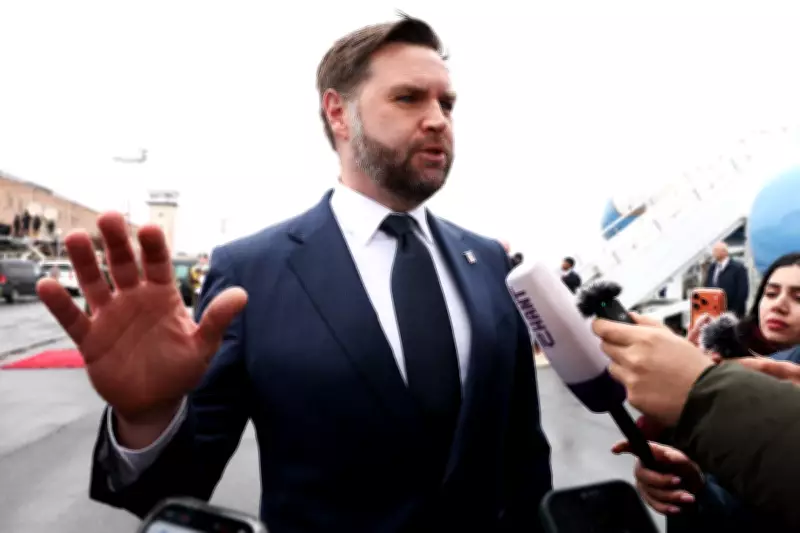
In a recent statement to the press, U.S. Vice President J.D. Vance firmly dismissed any notions of a brewing conflict with Senator Marco Rubio, who is widely viewed as a potential rival for the White House in the 2028 presidential election. The comments came as Vance prepared to depart for Azerbaijan from Zvartnots International Airport in Yerevan, Armenia, on February 10, 2026, highlighting the ongoing diplomatic engagements of the administration.
Media Scrutiny and Political Dynamics
Political analysts have increasingly speculated about tensions between Vance and Rubio, both prominent figures within the Republican Party, as the 2028 election cycle approaches. However, Vance emphasized that there is no personal or professional discord between them, stating that such narratives are often fueled by media conjecture rather than factual basis. "We are focused on serving the American people and advancing our shared goals," Vance remarked, underscoring a commitment to party unity amid the competitive landscape.
Background and Implications
Senator Marco Rubio, a seasoned politician with a strong base of support, has been vocal on key issues such as foreign policy and economic reform, positioning himself as a formidable candidate for the presidency. Meanwhile, Vice President Vance, known for his advocacy on domestic issues and populist appeal, has also garnered attention as a likely contender. The absence of conflict, as asserted by Vance, could signal a strategic alignment within the party to avoid internal divisions that might weaken their chances in the upcoming election.

Observers note that both figures have maintained a cordial public relationship, with occasional collaborations on legislative matters. This dynamic is crucial as the Republican Party navigates post-2024 election challenges and seeks to consolidate support ahead of 2028. The vice president's remarks aim to quell rumors and project an image of stability and cohesion within the party ranks.
Looking Ahead to 2028
As the political landscape evolves, the potential matchup between Vance and Rubio remains a topic of intense interest. Factors such as policy differences, voter demographics, and campaign strategies will likely shape the primary race. Vance's dismissal of conflict suggests a focus on substantive debates rather than personal rivalries, which could resonate with voters seeking pragmatic leadership.
In conclusion, while speculation about a Vance-Rubio rivalry persists, the vice president's clear denial serves to redirect attention to policy discussions and national priorities. As both figures continue to build their profiles, the coming years will be critical in determining how this dynamic unfolds on the road to the 2028 election.