Vice President Vance Targets Far Left in Minneapolis Over Deportation Unrest
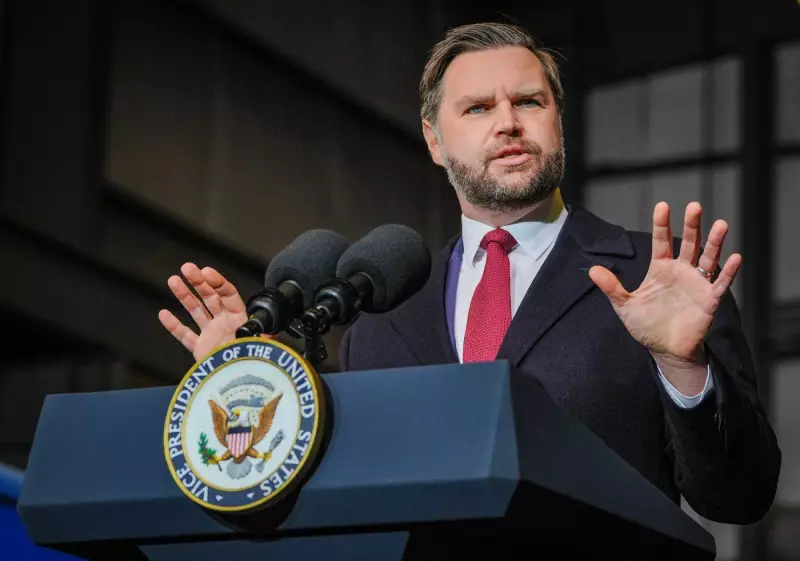
U.S. Vice President JD Vance arrived in Minneapolis on January 22, 2026, delivering pointed remarks that squarely blamed far-left factions for the ongoing turmoil surrounding White House deportation efforts. His speech, part of a broader tour, highlighted the Trump Administration's focus on economic issues, but quickly pivoted to address the contentious immigration policies sparking protests and division across the nation.
Political Rhetoric Heats Up in the Midwest
In his address, Vance asserted that far-left activists are deliberately inflaming tensions and obstructing federal deportation initiatives, which he framed as essential for national security and order. "The far left is sowing chaos and misinformation to undermine our lawful efforts to protect American communities," Vance stated, without providing specific evidence for these claims. This rhetoric echoes broader conservative critiques of progressive groups, positioning the administration as a bulwark against what it perceives as radical opposition.
The Vice President's visit to Minneapolis, a city with a history of political activism, underscores the administration's strategy to confront dissent head-on in key urban areas. His comments come amid heightened debates over immigration enforcement, with critics arguing that deportation policies are overly harsh and discriminatory.

Economic Promises Amid Political Firestorm
Despite the focus on immigration, Vance also reiterated the administration's economic pledges, which he had emphasized earlier in Ohio. He pointed to commitments to lower prices, increase paychecks, and generate more high-paying jobs in the Midwest, aiming to balance the political controversy with a message of prosperity. This dual approach reflects the administration's attempt to cater to both its base, concerned with immigration control, and broader voters worried about economic stability.
Observers note that Vance's blending of economic and immigration topics is a calculated move to rally support ahead of potential policy implementations. However, the emphasis on blaming the far left may further polarize public opinion, especially in diverse cities like Minneapolis where community responses to deportation efforts have been mixed.
Broader Implications for U.S. Politics
The speech in Minneapolis signals a continued hardline stance from the Trump Administration on immigration, with Vance serving as a key messenger to galvanize supporters. As deportation efforts face legal and social challenges, such rhetoric could escalate tensions, influencing upcoming political dynamics and public discourse. The Vice President's remarks highlight the deep ideological divides in American politics, with immigration remaining a flashpoint issue that resonates strongly in electoral battlegrounds.
In summary, JD Vance's Minneapolis appearance not only blamed far-left groups for unrest over deportation policies but also reinforced the administration's economic agenda, setting the stage for ongoing debates as the 2026 political landscape evolves.