WASHINGTON (AP) — U.S. forces carried out new defensive strikes against Iran on Wednesday, as President Donald Trump asserted that Tehran is "negotiating on fumes" and insisted that November's midterm elections would not pressure him into rushing a deal to end the nearly three-month-old conflict.
Details of the Strikes
U.S. Central Command forces shot down four Iranian one-way attack drones that posed a threat near the Strait of Hormuz, according to U.S. officials who spoke on condition of anonymity. The military also struck an Iranian ground control station in Bandar Abbas that was about to launch a fifth drone, the officials said.
These strikes follow earlier "defensive" actions on Monday against missile launch sites and minelaying boats in southern Iran. The Pentagon has described both operations as restrained, given the fragile ceasefire that has held for weeks.

Trump's Stance on Midterms and Deal
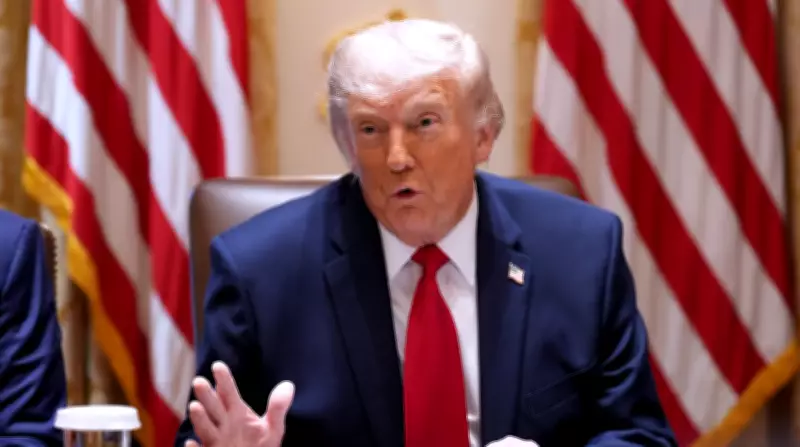
At a Cabinet meeting Wednesday, Trump expressed confidence that his administration was making progress on ending the war, even as negotiations remain fluid. He is seeking a settlement that would reopen the Strait of Hormuz and allow him to claim that Iran's nuclear capability has been sufficiently diminished to declare victory. However, the emerging deal has drawn fierce criticism, even from some of his own supporters, who argue that Iran's hardline leaders will emerge emboldened.
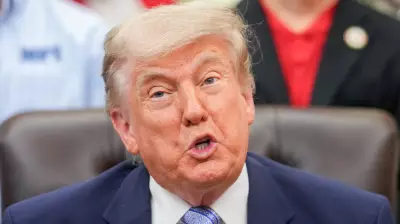
Trump dismissed the idea that the upcoming midterm elections would shape his strategy. "They thought they were gonna outwait me. You know, 'We'll outwait him. He's got the midterms,'" Trump said. "I don't care about the midterms." He acknowledged remaining work but expressed certainty that a deal would be reached: "They want very much to make a deal. So far, they haven't gotten there. We're not satisfied with it, but we will be — either that or we'll have to just finish the job."
Republican Skepticism
Despite Trump's optimism, there are significant gaps between the U.S. and Iran on key issues. Republican allies, including Senators Roger Wicker, Lindsey Graham, and Ted Cruz, have criticized the emerging terms as too favorable to Tehran. They object to aspects that resemble the 2015 nuclear agreement under President Barack Obama, which Trump scrapped during his first term.
Under the potential deal, Iran would give up its stockpile of highly enriched uranium in exchange for sanctions relief, according to regional and U.S. officials. The details of how this would occur remain subject to further talks over a 60-day period. Trump said he "wouldn't be comfortable" with Russia or China taking the uranium, despite analysts suggesting they could be acceptable third parties to Iran. Iran currently holds 440.9 kilograms of uranium enriched to 60% purity, a short step from weapons-grade levels.
Impact on Israel and Lebanon
Another unresolved issue is whether the ceasefire will cover Israel's operations against Hezbollah in Lebanon. Iran insists that Lebanon must be included in any agreement. The emerging memorandum of understanding calls for a ceasefire between the U.S. and its allies against Iran and its proxies but underscores Israel's right to self-defense. Israel and Hezbollah continue to clash along a strategic river in southern Lebanon.
Jonathan Conricus, a former Israel Defense Forces spokesperson, expressed skepticism, saying Israel expects Iran to use sanctions relief to restore military capabilities and support proxy groups. "We're not done fighting, because the Iranian regime isn't done," he said.
Abraham Accords and Regional Reactions
Trump also called for additional countries, including Kuwait, Saudi Arabia, Qatar, and Pakistan, to join the Abraham Accords normalizing relations with Israel. However, Saudi Arabia insists on a path to a Palestinian state as a precondition, which Israel opposes. Barbara Leaf, a former U.S. ambassador to the UAE, said Trump's pitch was met with "stunned silence" from Gulf officials. A person familiar with the call disputed this, saying some allies responded positively.
As the conflict continues, Trump faces the challenge of securing a deal that satisfies both his domestic political needs and the complex realities of the Middle East.