Nationwide Strike Urged in U.S. to Protest Trump's Immigration Crackdown
Protesters across the United States are calling for a widespread strike to challenge President Donald Trump's immigration policies, which have sparked intense public backlash. The movement aims to disrupt economic activities and draw national attention to what organizers describe as harsh enforcement measures targeting immigrant communities.
Growing Momentum for Civil Disobedience
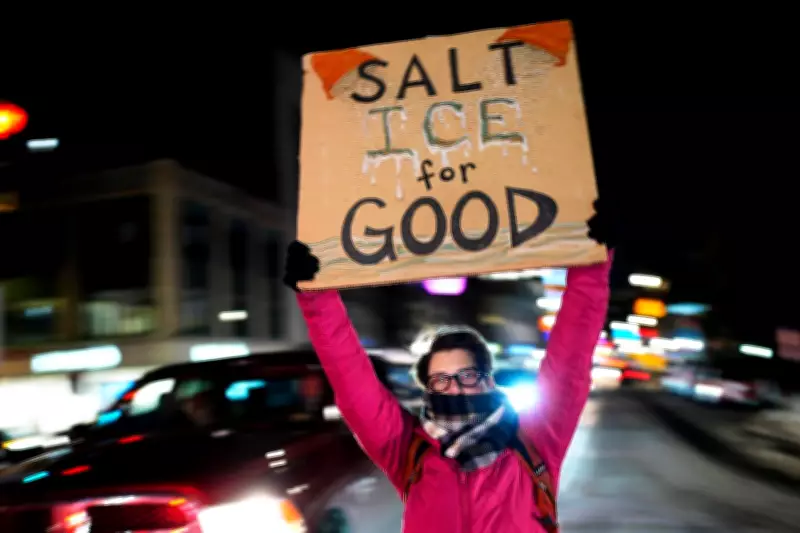
Activists are rallying support for the strike, urging workers, students, and businesses to participate in a day of action. This coordinated effort seeks to pressure the Trump administration to reconsider its approach to immigration, including increased deportations and border security initiatives. The call to action follows a series of protests, such as a recent demonstration in Portland, Maine, where individuals gathered to oppose the presence of U.S. Immigration and Customs Enforcement (ICE).
Organizers emphasize that the strike is a peaceful form of civil disobedience, designed to highlight the economic and social contributions of immigrants. They argue that Trump's policies, which include stricter asylum rules and enhanced detention facilities, have created a climate of fear and instability for many families.

Broader Context and Public Response
The push for a nationwide strike reflects a broader trend of activism against Trump's immigration agenda, which has been a cornerstone of his presidency. Critics contend that these policies undermine humanitarian values and strain international relations, including with neighboring countries like Canada. In contrast, supporters of the administration maintain that strong enforcement is necessary for national security and economic protection.
Public opinion remains divided, with some Americans expressing solidarity with the protesters, while others question the effectiveness of a strike in influencing policy changes. The movement has gained traction on social media, where hashtags and online campaigns are mobilizing participants from various states.
Potential Impacts and Future Outlook
If successful, the strike could lead to temporary disruptions in sectors such as agriculture, hospitality, and construction, where immigrant labor is prevalent. However, its long-term impact on federal policy is uncertain, given the polarized political landscape in the U.S. Observers note that similar protests in the past have raised awareness but often faced challenges in achieving legislative reforms.
As the strike date approaches, organizers are focusing on logistics and outreach to ensure broad participation. They plan to hold rallies and educational events to inform the public about immigration issues and the strike's objectives. The outcome may influence upcoming political debates and elections, particularly as Trump seeks re-election.
In summary, the call for a U.S.-wide strike against Trump's immigration policies represents a significant escalation in protest efforts, driven by concerns over enforcement practices and their effects on communities. The movement underscores the deep divisions in American society over immigration and the ongoing struggle for policy change.