They say there are three levels of dumb: some dumb, dumb and plumb dumb. I guess I fell into the plumb dumb category when I wandered into political life.
Political Wealth: A Canadian Reality Check
You do not have to be the sharpest knife in the drawer to realize that, in Canada, politics is not a path to wealth. When I was elected in 1995, I thought I might keep a hand in the trucking business while trying to contribute at Queen's Park. Not the world's best plan.
The normal demands of political life make having a side gig unwise. Add the responsibility of a cabinet position and any personal business is impossible. Canadians rightly expect their politicians to be singularly focused on the public good, so business interests must be placed in a blind trust or liquidated.

In my case, that meant selling my company and swallowing a big tax hit. That is, by any commercial measure, plumb dumb. But political life is not about commerce.
Most elected people do not improve their financial position while serving in office and very few do well after they have retired. The point of public service is not richness or fame or even gratitude. At least that is the way things are in Canada.
The American Contrast
Our southern cousins have a different tolerance for politicians using public office for personal gain. The legitimate ways of making riches after serving in office are more lucrative. Think hundreds of thousands for speeches, million-dollar book advances and lucrative consulting gigs. Big money flows in American political veins.
Those post-politics cash grabs are not particularly offensive, but the opportunities for personal enrichment while in office cross an ethical line. For decades, people from every political stripe have used insider information to make lucrative stock trades. Americans largely turn a blind eye to a system that makes politicians rich.
But stock trading seems almost nostalgic in an era of predictive markets. Over the last year, there have been strong indications that Washington insiders have won big in the predictive casinos, betting on tariffs and war with insider knowledge.
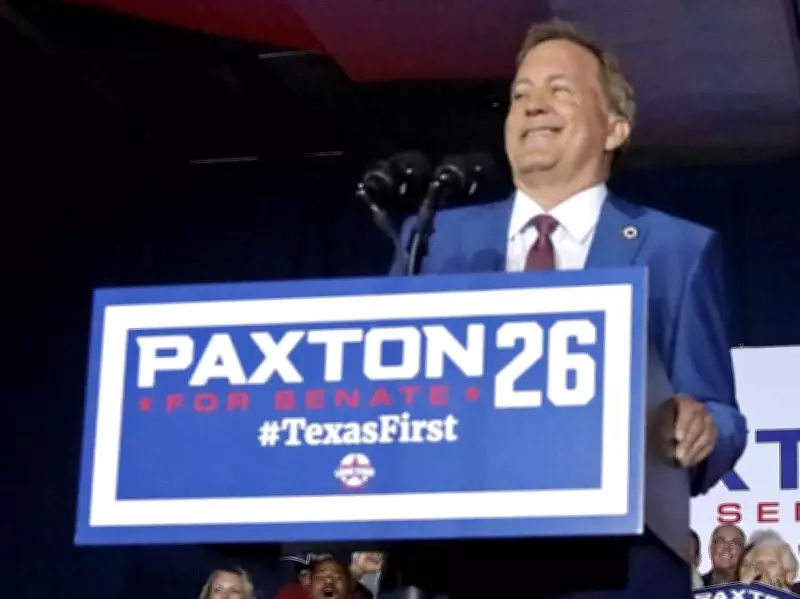
Even the trading of favours for cash does not seem to offend American voters. The curious tale of Texas State Attorney General Ken Paxton is a case in point.
Ken Paxton: A Case Study
Paxton was indicted on state felony securities fraud charges a few months after he took office in 2015. He was impeached in 2023 on 20 counts, most stemming from misusing his office to benefit a political donor. He has been accused of using state staff and political donors to conceal an extramarital affair.
To Canadian eyes, there might seem to be a pattern here, but Texas Republicans do not care. Last week, Paxton, warts and all, won a nomination run-off and became the proud Republican candidate for Senate. Only in America.
Donald Trump's Business Empire
But Paxton is hardly the only American politician with questionable ethics. President Donald Trump has taken using political office to gain personal wealth to a new stratosphere.
Ever the huckster, Trump has peddled watches, bibles and sneakers to his fans. His influence convinced Amazon to pay Melania Trump $40 million for a documentary with negative commercial value.
Forbes estimates that in his first year of this term, Trump has pulled in $1 billion and his family businesses have gained an astonishing $3 billion. Those totals would make Charles Ponzi blush.
But American voters on the right of the political spectrum do not care. Which is a pretty good reason to be proud of the ethical standards Canadians demand and deserve.