The United States has launched new strikes against Iranian targets following attacks on three ships in the strategic Strait of Hormuz, a major escalation in the ongoing Mideast conflict. The strikes were confirmed by U.S. officials late Tuesday, July 7, 2026, as the region braces for further instability.
Strait of Hormuz Attacks Trigger Response
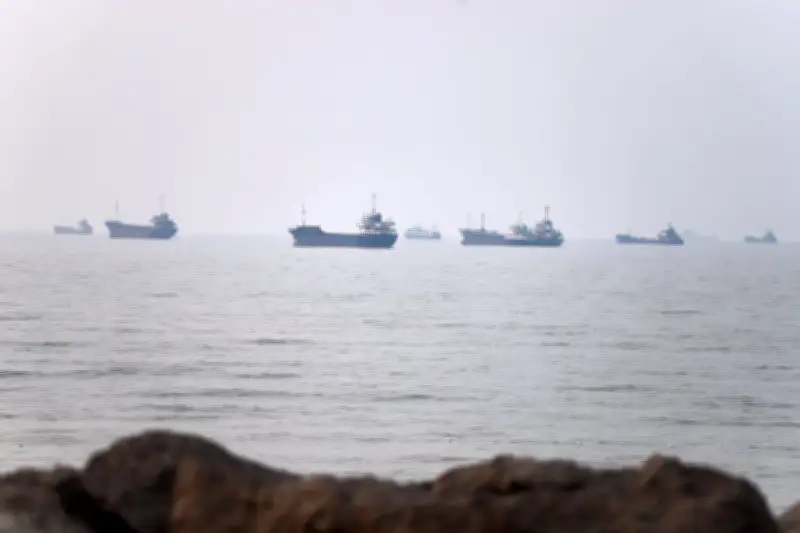
Three vessels were hit in the Strait of Hormuz, one of the world's most critical oil shipping lanes, prompting the U.S. military to retaliate. The attacks occurred amid heightened tensions between Washington and Tehran, which have been locked in a series of confrontations since the start of the U.S.-Iran war earlier this year. The Pentagon stated that the strikes were aimed at preventing further disruptions to global maritime traffic and ensuring the safety of commercial shipping.
Impact of Khamenei's Death on Iran
Former U.S. diplomat Alan Eyre commented on the situation, noting that the death of Iran's Supreme Leader Ayatollah Ali Khamenei at the outset of the war 'changed everything' in the country. According to Eyre, Khamenei's passing created a power vacuum and shifted Iran's internal dynamics, complicating the conflict. The U.S. strikes come as Iran's new leadership struggles to consolidate control.

Escalating Regional Instability
The latest strikes are part of a broader pattern of military action in the region. The U.S. has conducted multiple operations against Iranian forces and allied militias since the conflict began. The Strait of Hormuz attacks mark a significant escalation, as they directly threaten international shipping. Analysts warn that further strikes could disrupt global oil supplies and drive up prices.
Global Reactions and Concerns
International leaders have called for restraint, fearing a wider war. The United Nations urged both sides to de-escalate and return to diplomatic negotiations. Meanwhile, shipping companies are rerouting vessels away from the Strait of Hormuz, leading to increased costs and delays. The U.S. has vowed to protect freedom of navigation in the waterway, which handles about 20% of the world's oil consumption.
Humanitarian and Economic Toll
The conflict has already taken a heavy toll on civilians in the region. In Iran, reports indicate widespread shortages of food and medicine, while the U.S. military campaign has caused significant infrastructure damage. The economic impact is being felt globally, with oil prices surging and supply chains strained. The situation remains fluid, with both sides signaling readiness for further military action.