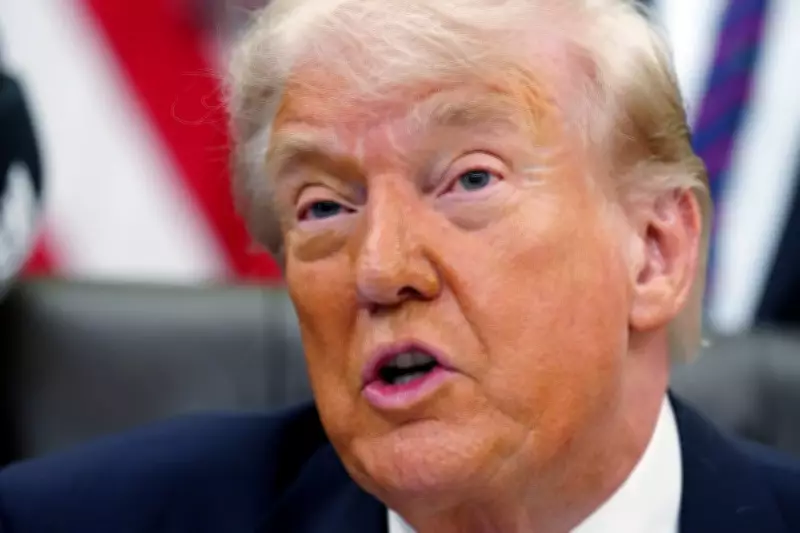
The United States and Iran appear to be moving closer to ending their prolonged war, even as President Donald Trump threatens additional bombing campaigns. The conflicting signals emerged as U.S. Secretary of State Marco Rubio addressed reporters regarding the blockade of the Strait of Hormuz and the conditions necessary for de-escalation.
Diplomatic Progress Amid Military Threats
According to sources familiar with the negotiations, both sides have shown willingness to compromise on key issues, including Iran's nuclear program and regional influence. However, Trump's recent statements vowing more bombing have raised concerns about the fragility of the peace process.
Strait of Hormuz Blockade
Rubio emphasized that the blockade of the Strait of Hormuz remains a critical sticking point. The waterway, through which about 20% of the world's oil passes, has been effectively closed by Iranian forces, causing global energy prices to spike. The Secretary of State outlined a multi-step plan that would require Iran to lift the blockade in exchange for sanctions relief.

Reactions from World Leaders
International reactions have been mixed. European allies have urged restraint and called for a ceasefire, while Gulf states remain divided. Saudi Arabia and the United Arab Emirates have privately expressed support for continued U.S. military pressure, whereas Qatar and Oman are pushing for a diplomatic resolution.
Humanitarian Concerns
The war has taken a heavy toll on civilians in both countries. Thousands of Iranian civilians have been killed in U.S. airstrikes, while American casualties have also mounted. Humanitarian organizations are calling for immediate access to affected populations.
Economic Impact
The conflict has disrupted global oil markets, with prices hovering near record highs. The blockade has particularly affected Asian economies that rely heavily on Middle Eastern crude. Analysts warn that prolonged instability could trigger a worldwide recession.
Next Steps
Diplomatic channels remain open, with Swiss mediators facilitating back-channel talks. A senior State Department official confirmed that both sides have agreed in principle to a framework for peace, but final details are still being negotiated. The official cautioned that Trump's bombing threats could undermine progress.
As the world watches closely, the coming days will be crucial in determining whether the U.S. and Iran can achieve a lasting peace or if further escalation is on the horizon.