The United States and Iran appeared far from reaching a deal to end weeks of conflict and reopen the strategic Strait of Hormuz on Sunday, following a drone strike that ignited a fire at a nuclear power plant in the United Arab Emirates, underscoring the fragility of the current ceasefire.
Negotiation Stalemate
Iran's semi-official Fars news agency reported that the U.S. has laid out five key conditions for a peace agreement. These include the transfer of uranium from Iran's nuclear program to the United States, a stipulation that Washington pays none of the compensation Tehran is demanding, and the unfreezing of less than a quarter of Iran's suspended assets. Fars did not cite a source for this information, and the U.S. has not publicly commented on these alleged conditions.
Meanwhile, the semi-official Mehr news agency stated that Washington offered "no tangible concessions" while seeking "to obtain concessions that it failed to obtain during the war, which will lead to an impasse in the negotiations."

Drone Attack on Barakah Plant
The drone attack on Sunday triggered a blaze in an electrical generator located outside the inner perimeter of the UAE's Barakah nuclear power plant. According to a statement from Abu Dhabi's media office, the fire had no impact on radiological safety. Authorities are working to extinguish the flames, and no injuries were reported.
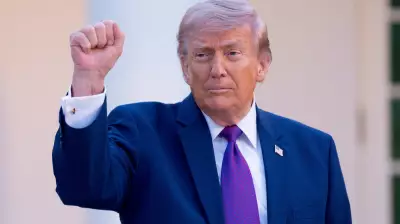
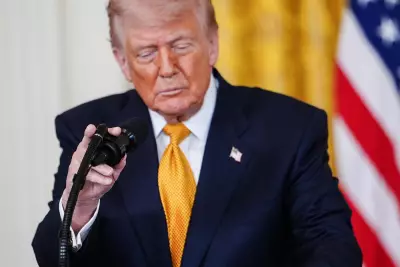
The incident comes just days after U.S. President Donald Trump returned from a two-day summit in Beijing with Chinese President Xi Jinping, an ally of Iran. Both leaders agreed that the Strait of Hormuz, through which a fifth of the world's oil and liquefied natural gas once flowed, should remain open for transit. However, no tangible progress was made toward achieving that goal.
Regional Impact and Energy Exports
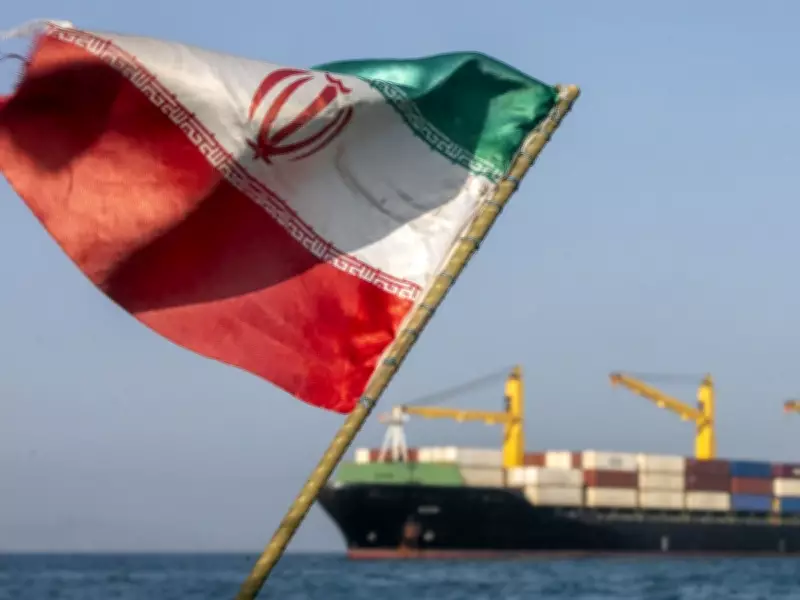
Iranian threats to shipping in the Persian Gulf have brought the region's energy exports to a near standstill, driving global prices higher and giving Tehran significant leverage in negotiations with the U.S. The U.S.-Israeli war on Iran, which began on February 28, has claimed thousands of lives, primarily in Iran. Retaliatory attacks by Tehran have targeted U.S. allies across the Gulf, including the UAE, which has responded with intermittent strikes on Iran, according to Bloomberg.
Israel's Position
In Jerusalem, Israeli Prime Minister Benjamin Netanyahu briefed his cabinet on the Iran crisis and said he would speak with Trump later on Sunday for an update on the China visit. A member of Netanyahu's security cabinet, Zev Elkin, stated that Israel is prepared to resume strikes on Iran if Trump decides to do so. "We have targets that we want to hit, of course," Elkin told Kan radio. "The current situation, with the U.S. blockade continuing, would also be good for Israel, because it's wreaking major damage upon the Iranian economy on a daily basis."
Iran's Diplomatic Stance
Iranian President Masoud Pezeshkian has reiterated his country's commitment to a diplomatic resolution of the conflict. Several energy shipments have successfully navigated the Strait of Hormuz in recent weeks, and an Iranian official indicated this weekend that authorities are working on a formal law and framework to allow passage for some vessels.
The U.S. and China, the world's two largest economies, sought to emphasize points of agreement on the Middle East conflict during Trump's meetings with Xi, even as they find themselves on opposing sides of the issue. The situation remains tense, with no clear path to a ceasefire or reopening of the vital waterway.