U.S. Treasury Secretary to Meet Chinese Vice-Premier in Paris Before Trump's Beijing Visit
In a significant diplomatic development, U.S. Treasury Secretary Scott Bessent is scheduled to meet with China's vice-premier in Paris. This high-level financial discussion is strategically timed ahead of former President Donald Trump's planned visit to Beijing, highlighting ongoing efforts to manage economic relations between the two global powers.
Strategic Timing for Bilateral Talks
The meeting between Secretary Bessent and the Chinese vice-premier is set to occur in the French capital, serving as a crucial precursor to Trump's diplomatic engagement in China. This arrangement underscores the importance both nations place on maintaining open channels of communication, particularly in the realm of international finance and trade policy.
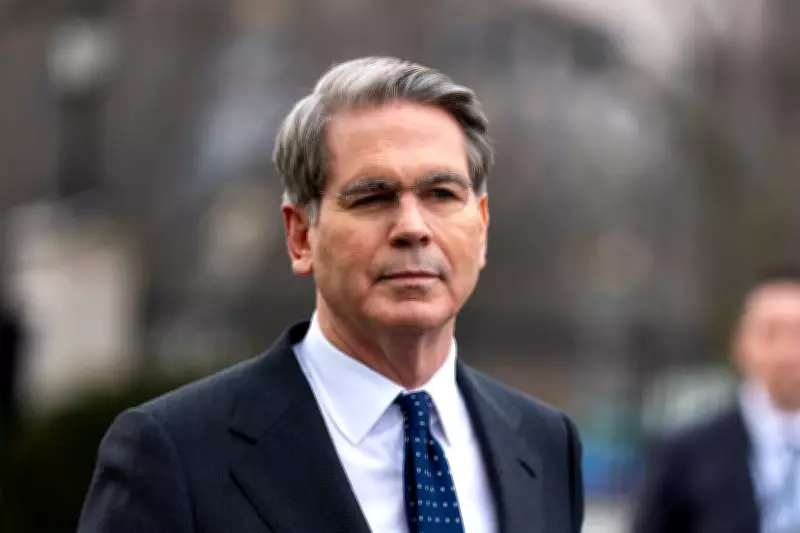
Scott Bessent, who was photographed at the White House on March 6, 2026, will represent American economic interests in these talks. The discussions are expected to cover a range of bilateral issues that could influence the agenda for Trump's subsequent meetings with Chinese leadership.

Context of U.S.-China Relations
This Paris meeting occurs against a backdrop of complex U.S.-China relations, with both countries navigating trade tensions, technological competition, and geopolitical considerations. The choice of Paris as a neutral venue reflects diplomatic pragmatism, allowing for frank discussions away from the political pressures of Washington or Beijing.
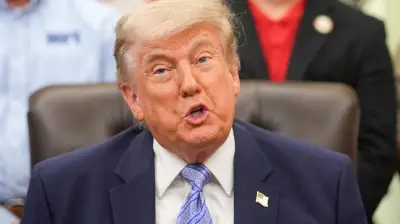
The timing is particularly noteworthy as it precedes Trump's visit to China, suggesting coordination between economic and diplomatic tracks. Such layered engagement has become increasingly common in managing the multifaceted relationship between the world's two largest economies.
Implications for Global Economic Stability
High-level financial talks between U.S. and Chinese officials carry significant implications for global markets and economic stability. The outcomes of these discussions could influence everything from currency policies to investment flows, with potential ripple effects across international financial systems.
As both nations prepare for Trump's Beijing visit, the Paris meeting provides an opportunity to address economic concerns that might otherwise complicate broader diplomatic discussions. This approach allows technical financial matters to be addressed separately from more politically charged issues.
Looking Ahead to Trump's China Visit
The Paris discussions will likely help establish parameters for economic dialogue during Trump's upcoming China trip. By addressing financial matters in advance, both sides can potentially create momentum for more productive discussions on broader bilateral issues when Trump engages with Chinese leadership.
This layered diplomatic approach—with financial talks preceding high-level political engagement—reflects the sophisticated coordination required in contemporary U.S.-China relations. The success of these preliminary discussions could significantly influence the tone and substance of Trump's meetings in Beijing.
As global observers monitor these developments, the Paris meeting represents another chapter in the ongoing story of great power diplomacy, where economic and political considerations are increasingly intertwined in shaping international relations.