The United States has announced a pause in its participation in the U.S.-Canada Permanent Joint Board on Defence (PJBD), stating it needs to reassess how the forum benefits shared North American defence. The decision has sparked criticism and analysis from academics who view it as a reality check for Canada's defence posture.
What is the Permanent Joint Board on Defence?
The PJBD is the senior advisory body on continental defence, composed of military and diplomatic representatives from both nations. It meets twice a year, alternating locations between Canada and the U.S. Meetings are co-chaired by a Canadian and an American civilian, with participation from the U.S. Defense and State Departments, Canada’s Department of National Defence, and the Department of Foreign Affairs and International Trade, among others.
Historical Context
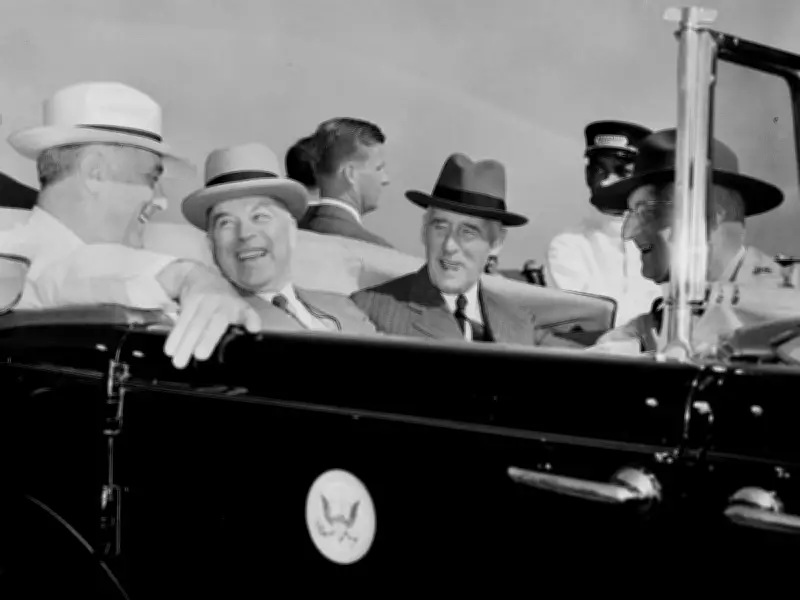
The PJBD was established on August 17, 1940, as part of the Ogdensburg Agreement between Prime Minister William Lyon Mackenzie King and President Franklin D. Roosevelt. This occurred during the Second World War, prior to U.S. entry into the conflict. The board was created at a time when Britain's future was uncertain, and both leaders recognized the need for formalized cooperation.

Reasons for Suspension
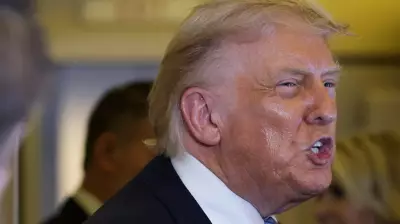
Elbridge Colby, U.S. Under Secretary of Defense for Policy, stated on Monday: “A strong Canada that prioritizes hard power over rhetoric benefits us all. Unfortunately, Canada has failed to make credible progress on its defense commitments.” He added, “We can no longer avoid the gaps between rhetoric and reality. Real powers must sustain our rhetoric with shared defense and security responsibilities.” Colby linked this to a speech by Prime Minister Mark Carney in Davis, Switzerland, where Carney discussed the role of middle powers, saying: “If we’re not at the table, we’re on the menu.” President Donald Trump reacted sharply, criticizing Carney and stating that “Canada lives because of the United States.”
Academic Perspective
Timothy Sayle, a professor at the Munk School of Global Affairs and Public Policy at the University of Toronto, called the suspension a reality check. “You have a prime minister who travels all over the world, makes these grand promises, but promises are not policy,” he said. Sayle noted that the PJBD was vital during the war for coordinating wartime production and defence issues, providing a formal channel for American requests to be conveyed to the Canadian government. The suspension signals a significant shift in bilateral defence relations.