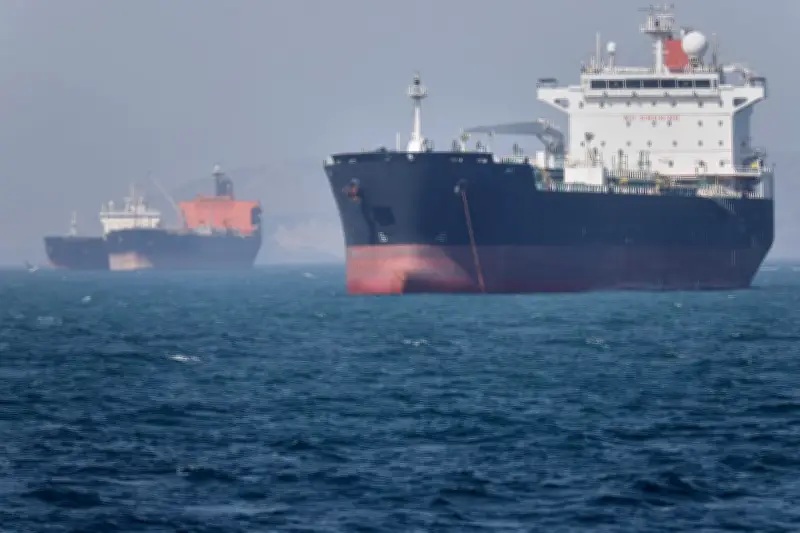
The United States has permitted more than a dozen ships to proceed to Iranian ports, effectively lifting a maritime blockade as part of a negotiated agreement, Vice President JD Vance announced on Thursday.
Details of the Agreement
Speaking at a press conference, Vance confirmed that the move is a key component of a tentative deal brokered by former President Donald Trump to end hostilities with Iran. The ships, primarily oil tankers, had been previously barred from accessing Iranian waters under U.S. sanctions and military pressure.
“This is a significant step toward de-escalation and demonstrates our commitment to diplomatic solutions,” Vance said. “We are ensuring that humanitarian and essential goods can flow while maintaining oversight.”

Strategic Implications
The decision marks a shift in U.S. policy, which had enforced a strict blockade to curb Iran’s oil exports. Critics argue the move could embolden Iran, while supporters see it as a necessary concession for peace. The Strait of Hormuz, a critical chokepoint for global oil shipments, remains under close watch.
Pentagon officials have expressed concerns about the security implications, with Defense Secretary Lloyd Austin announcing a review of U.S. forces in Europe amid broader NATO tensions. However, the White House insists the naval adjustment is temporary and tied to ongoing negotiations.
International Reactions
Allied nations have reacted cautiously, with some European leaders welcoming the de-escalation but urging continued pressure on Iran’s nuclear program. Iran’s government has not yet issued an official statement, but state media reported the arrival of several tankers at Bandar Abbas port.
The Associated Press contributed to this report.