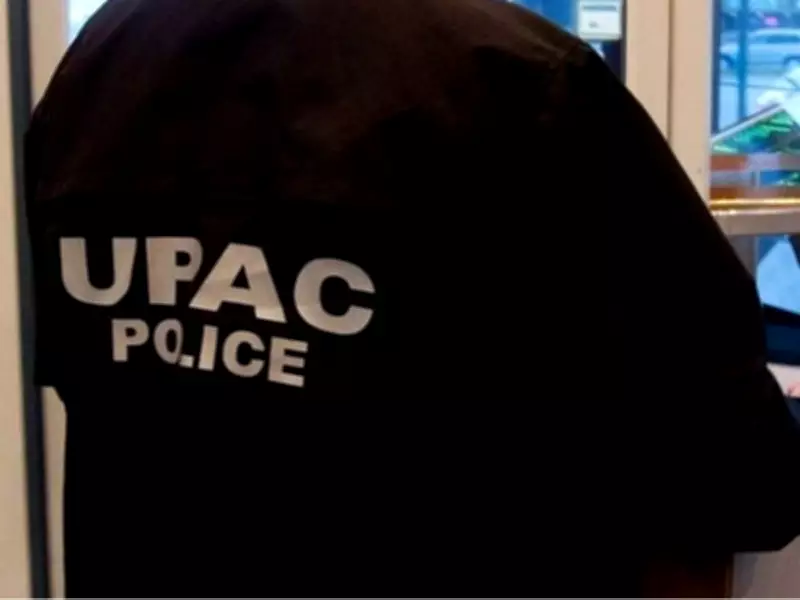
UPAC Investigators Question Authenticity of 'Brownie' Texts in Quebec Liberal Leadership Race
Quebec's anti-corruption police unit, known as UPAC, is now investigating whether text messages that allegedly revealed a cash-for-votes scheme during the 2025 Quebec Liberal Party leadership race were fabricated, according to a Tuesday report in La Presse. The messages, which were published last November in the Journal de Montréal, appeared to show two unnamed individuals planning to pay "brownies"—a slang term for $100 bills—to party members who voted for Pablo Rodriguez in his successful bid for party leader.
Investigation Raises Doubts About Message Authenticity
The Unité permanente anticorruption investigators have been unable to establish the text messages as authentic, casting significant doubt on their validity. This development follows a February report by retired judge Jacques Fournier, who was hired by the Quebec Liberals to investigate the allegations surrounding Rodriguez's leadership campaign. Fournier concluded that there was no way to verify whether the text messages reported in Le Journal were genuine, noting that if real, they represented "only a montage" of a longer exchange.
Impact on Pablo Rodriguez and the Liberal Party
The cash-for-votes allegation, along with other claims about his campaign, led Pablo Rodriguez to resign as party leader in December. Although Rodriguez was never directly accused of wrongdoing, he stated in his resignation speech that he had "become a distraction" for the party. The ongoing UPAC investigation into the text messages' authenticity adds a new layer of complexity to the scandal, potentially influencing public perception and internal party dynamics.

Broader Implications for Political Integrity
This case highlights the challenges in verifying digital evidence in political corruption investigations, especially when such evidence could sway leadership races and party reputations. The uncertainty surrounding the "brownie" texts underscores the importance of thorough forensic analysis in maintaining transparency and trust within Quebec's political landscape. As UPAC continues its probe, the outcome may set precedents for how similar allegations are handled in future elections.