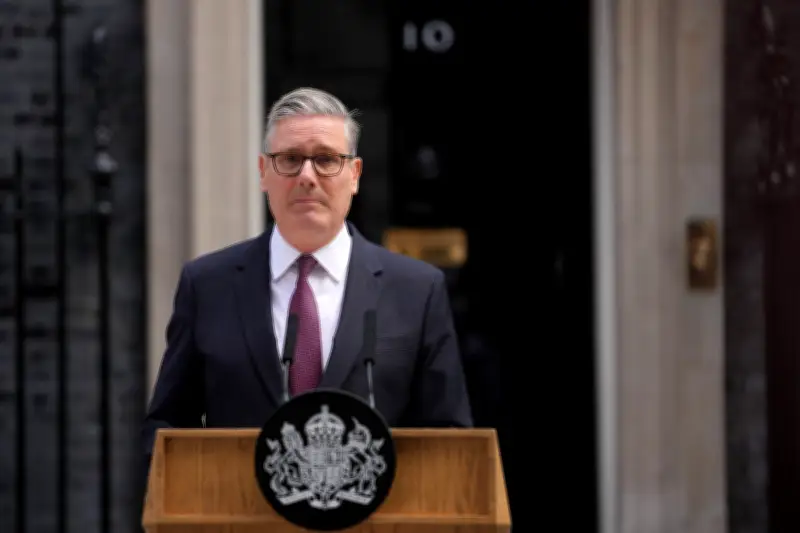
British Prime Minister Keir Starmer announced his resignation on Monday, June 22, 2026, in a statement outside 10 Downing Street, ending a tenure that lasted just over two years. The Labour leader cited an inability to unite the country and address pressing economic issues as key reasons for his decision.
Starmer's Resignation Announcement
Speaking to the media, Starmer said, "It has been the honor of my life to serve as Prime Minister, but it is clear that I am no longer the right person to lead this nation forward. The challenges we face require a fresh approach, and I believe it is time for a new leader to take the reins." His resignation follows months of declining approval ratings and internal rebellions within the Labour Party over policy direction.
Political and Economic Context
Starmer's premiership was dominated by a cost-of-living crisis, stagnant economic growth, and divisions over Brexit. The UK economy grew by only 0.8% in 2025, far below forecasts, while inflation remained above 4%. The Labour Party lost several key by-elections, eroding Starmer's authority. According to political analyst John Curtice, "Starmer's resignation reflects the deep malaise in British politics, where no leader has been able to sustain public confidence since the 2019 election."

Impact and Succession
The resignation triggers a Labour leadership contest, with potential candidates including Deputy Leader Angela Rayner and Shadow Chancellor Rachel Reeves. The Conservative Party, led by Rishi Sunak, has called for a general election, though the next scheduled vote is not until 2029. Starmer's departure marks the fifth British prime minister in six years, highlighting the instability in UK politics.