Trump Accelerates White-Collar Pardons in Early 2026, Drawing Scrutiny
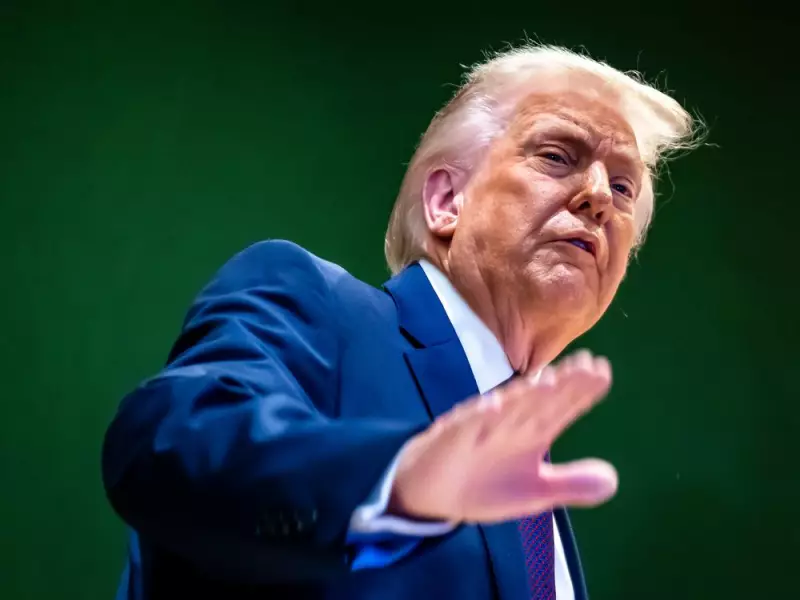
Former President Donald Trump has initiated 2026 with a significant surge in executive clemency actions, focusing particularly on individuals convicted of white-collar crimes. Since January 15th, Trump has granted pardons or sentence reductions to 10 people found guilty of fraud and related financial offenses, representing nearly a quarter of the total similar reprieves issued throughout the entire previous year.
Controversial Cases Among Pardon Recipients
The recent clemency grants include several noteworthy cases that have attracted public attention. Among the recipients is the father of a donor to Trump's MAGA Inc campaign organization, raising questions about potential political connections influencing pardon decisions. Additionally, the list includes an individual who previously received clemency during Trump's first presidential term, marking their second reprieve from the former president.
This accelerated pace of pardons represents a dramatic escalation even for a president who has historically made extensive use of executive clemency powers. White-collar offenders now account for 10 of the 21 total clemency actions Trump has taken over the past ten days, highlighting a clear prioritization of financial crime cases in his current pardon strategy.

Broader Clemency Patterns Emerge
Beyond the white-collar focus, Trump's recent clemency activity reveals additional patterns worth noting. Seven of this year's grants relate to drug offenses, creating an interesting contrast with the president's public statements about cracking down on illegal drug trafficking. This apparent discrepancy between rhetoric and action has sparked discussion among legal observers and policy analysts.
According to individuals familiar with the pardon process under Trump, the current approach differs significantly from previous administrations. "What's different about the process with Trump is you can make a direct appeal," explained one source with knowledge of the system. "Find the best platform and talk as loudly as possible, because he's actually listening to people instead of following bureaucratic processes."
Presidential Motivations and Official Response
Those close to the process suggest Trump's personal motivations play a significant role in clemency decisions. "Trump loves being merciful, giving people second chances," revealed one insider. "Most of the time what he wants in return is, tell people how great I am."
When questioned about the pardon decisions, the White House referred to previous statements from press secretary Karoline Leavitt, who emphasized that "there's a whole team of qualified lawyers who look at every single pardon request that ultimately make their way up to the President of the United States." Leavitt further noted that Trump entered office with a specific focus on "pardoning individuals who were abused and used by the Biden Department of Justice, and were overprosecuted by a weaponized DOJ."
High-Profile Cases Seeking Clemency
The president's demonstrated willingness to grant pardons has encouraged other convicted individuals to petition for clemency. Department of Justice data reveals that several prominent figures have submitted requests, including Theranos founder Elizabeth Holmes, currently serving an 11-year sentence for fraud, and Archegos founder Bill Hwang, who received an 18-year sentence in 2024 but remains free on bail during his appeal process.
Another notable petitioner is Tim Leissner, the former Goldman Sachs banker central to the 1MDB scandal. Leissner, who pleaded guilty and cooperated with prosecutors, expressed profound remorse during his sentencing hearing last year. His attorney, Henry Mazurek, stated: "Tim Leissner has always fully cooperated with the Department of Justice and continues to do so. Since the current DOJ has suspended prosecutions of FCPA cases, we believe that, under these circumstances, clemency is appropriate and just."

Celebratory Response to Recent Pardon
The impact of these clemency decisions extends beyond legal consequences, as demonstrated by Terren Peizer's situation. A protégé of "junk bond king" Michael Milken, Peizer received a 42-month prison sentence for insider trading but was pardoned on January 16th. According to an individual scheduled to attend an upcoming event, Peizer had already planned a charity fundraiser at his Puerto Rico residence for this weekend, which will now serve double duty as a celebration of his presidential pardon.
This early 2026 pardon activity establishes a clear pattern of accelerated executive clemency actions, particularly favoring white-collar offenders, and suggests Trump's approach to presidential pardon power continues to evolve in his current term. The concentration on financial crimes, combined with the inclusion of politically connected individuals, ensures these decisions will remain subject to intense public scrutiny and legal analysis throughout the coming year.