President Donald Trump is encountering significant challenges in rallying NATO allies to support U.S. military efforts in the Strait of Hormuz, a critical passageway for global oil shipments. This resistance stems from years of his public berating and threats toward traditional partners, complicating diplomatic appeals for assistance in the ongoing conflict with Iran.
NATO's Hesitant Response to U.S. Requests
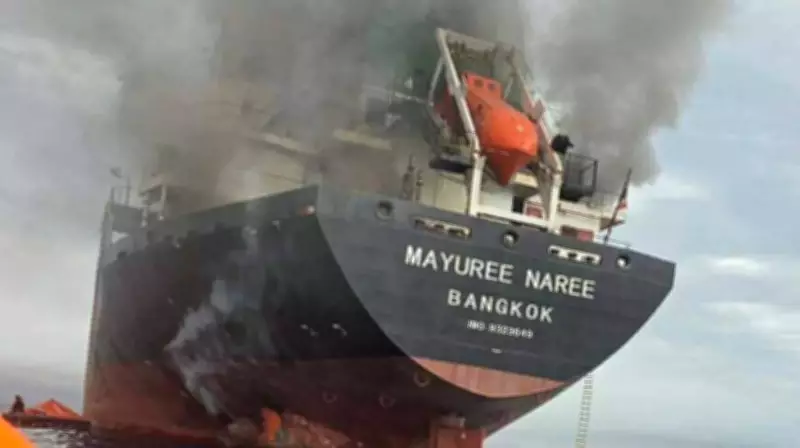
Following air attacks initiated by Trump and Israel against Iran two weeks ago, NATO member states have shown little enthusiasm for Trump's demand to deploy warships to safeguard the Strait of Hormuz. The narrow waterway, essential for oil tanker traffic, has become a flashpoint due to heightened threats from Iran, leading to a reluctance among shipping companies to transit the area.
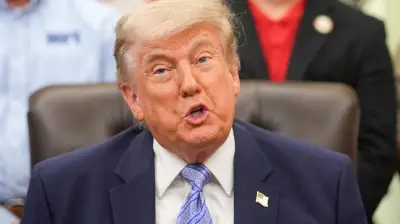
During a White House press briefing on Monday, Trump expressed frustration over the lack of eager support from other nations, none of whom were consulted prior to the military actions. "They should be in here very happily helping us," he asserted, emphasizing past U.S. assistance to allies. However, his longstanding characterization of NATO members as freeloaders and his misinterpretation of alliance dues have eroded goodwill.

Historical Context and Criticisms
John Bolton, a former national security adviser to Trump, highlighted the president's misunderstanding of alliance dynamics. "Trump doesn't understand how alliances work. He wants what he wants when he wants it," Bolton remarked, noting that Trump had previously planned to withdraw from NATO if reelected in 2020.
Since returning to office last year, Trump has further strained relations by disparaging Canada and threatening to annex Greenland from Denmark, actions that provoked diplomatic crises in Europe. These incidents, coupled with his unilateral decision to attack Iran without ally input, have left many NATO members wary of committing resources to what they perceive as a U.S.-led conflict.
Global and Domestic Repercussions
The Iran conflict has triggered a global energy calamity, with domestic gasoline prices in the U.S. surging by over 70 cents a gallon. Trump's dismay at allies' reluctance to send ships and personnel underscores the broader consequences of his actions. In response, European leaders have voiced skepticism about involvement.
German Defense Minister Boris Pistorius questioned the utility of European support, stating, "What does Trump expect from a handful of European frigates that the powerful U.S. Navy cannot do? This is not our war, we have not started it." Similarly, British Prime Minister Keir Starmer affirmed support for reopening Hormuz traffic but clarified that the U.K. would not be drawn into a wider war with Iran.
Diplomatic Nuances and Contradictions
Trump's contradictory statements have added to the confusion. He claimed that "numerous" nations would send warships but refused to identify them, while simultaneously asserting he did not need help. He also boasted of obliterating Iran's mine-laying fleet yet acknowledged the persistent risks to shipping, saying, "Every one of them is gone, but it only takes one."
Further revealing a lack of foresight, Trump expressed shock at Iran's retaliatory attacks on neighboring countries hosting U.S. bases, such as Qatar and Saudi Arabia. "They weren't supposed to go after all these other countries... Nobody expected that. We were shocked," he admitted, highlighting miscalculations in the conflict's escalation.
Alliance Dynamics and Future Implications
The situation underscores a fundamental clash between Trump's transactional view of alliances and NATO's principles of mutual defense. Jan Techau of the Center for European Policy Analysis observed, "He looks at dependencies, power relationships. If he thinks he can put pressure on NATO members that way, he does it." However, this approach has so far yielded limited results, as allies prioritize their national interests over U.S. demands.
As the Strait of Hormuz remains a focal point of geopolitical tension, Trump's ability to secure international cooperation will likely depend on mending fractured relationships and aligning strategies with NATO's collective security framework.