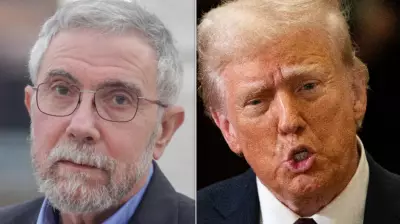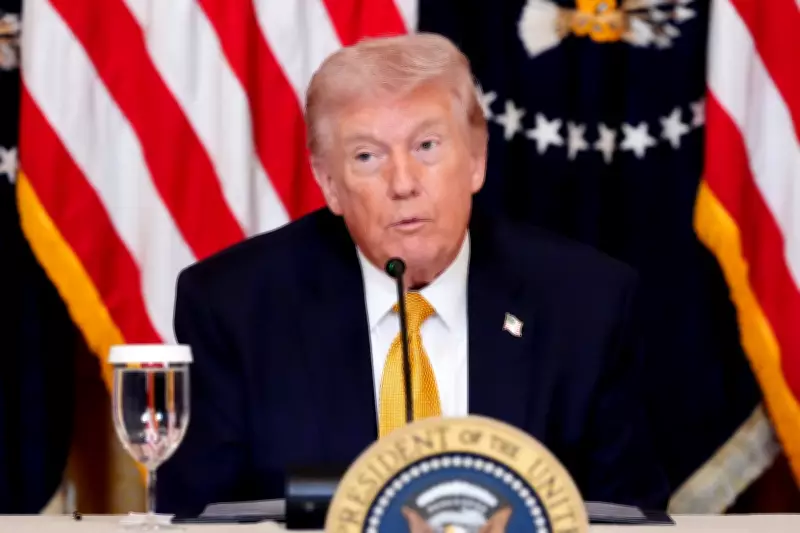
A senior U.S. counterterrorism official has resigned in protest over former President Donald Trump's approach to the escalating war with Iran, stating that Iran posed no imminent threat to justify the current military engagement. This resignation highlights growing concerns about Trump's leadership style, which critics describe as dismissive and belittling, and its impact on international conflicts.
Resignation Over Policy Disagreements
The official, whose departure was confirmed on March 17, 2026, cited fundamental disagreements with Trump's strategy in the Middle East. In a statement, the official emphasized that intelligence assessments did not support claims of an immediate danger from Iran, suggesting the war is driven more by political posture than security needs. This move underscores tensions within the administration regarding foreign policy decisions.
Global and Domestic Repercussions
The conflict has already disrupted global shipping routes, causing economic uncertainties and raising fears of broader regional instability. Domestically, the war has sparked debates among political leaders, with figures like Carney and Starmer expressing deep concern over the humanitarian and economic fallout. Meanwhile, Canada has stated it is "leaving the door open" to assist in the Middle East but has no plans for offensive engagement, reflecting a cautious international stance.

Broader Implications for Leadership
Analysts point out that Trump's leadership style, characterized by abrupt decisions and a tendency to dismiss expert advice, may be exacerbating the crisis. This incident adds to a pattern of high-profile resignations and internal strife during his tenure, raising questions about the long-term stability of U.S. foreign policy. The war's surge in gas prices and its impact on summer driving seasons further illustrate the conflict's wide-reaching effects on everyday life.
As the situation develops, observers warn that without a more cohesive and evidence-based approach, the war in Iran could lead to prolonged military engagement and increased global tensions. The resignation serves as a stark reminder of the challenges posed by leadership styles that prioritize confrontation over diplomacy in international affairs.