Contradictory Messaging and Casual Attitude Mark Trump's Iran Conflict
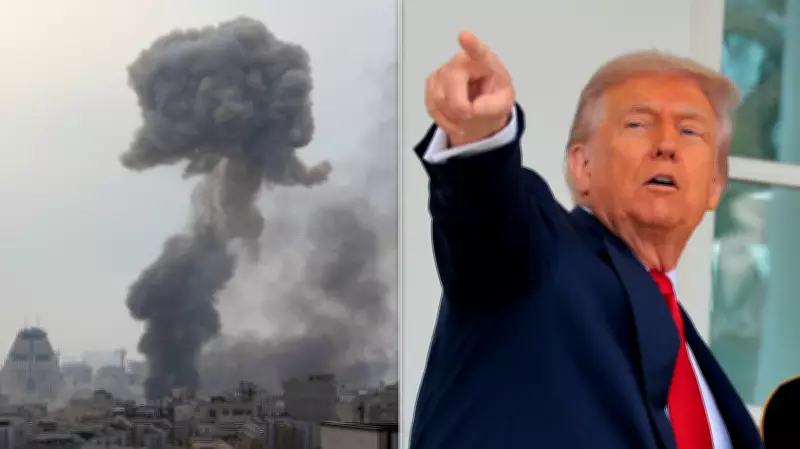
The United States finds itself engaged in a significant military conflict with Iran, though technically not classified as a war due to the absence of congressional approval. President Donald Trump has provided a confusing array of statements regarding this escalating situation, creating a narrative filled with contradictions and concerning implications.
Conflicting Timelines and Objectives
According to President Trump, the conflict might conclude within a few weeks, yet he simultaneously suggests it could persist indefinitely. While he dismisses a ground invasion as "a waste of time," neither he nor his administration has definitively ruled out deploying troops. This ambiguity extends to the fundamental objectives of the engagement.
Defense Secretary Pete Hegseth has explicitly stated that regime change is not the goal, directly contradicting Trump's own declaration that there will be no deal with Iran except through "unconditional surrender" and the installation of an "acceptable" new leader. Trump further elaborated on his intentions by stating, "We want to go in and clean out everything," which essentially defines regime change despite official denials.

Casual Attitude Toward Human Cost
Perhaps most troubling is the administration's seemingly casual approach to the human cost of conflict. President Trump has repeatedly remarked, "When you go to war, some people will die," and acknowledged that Americans will likely perish. He even rated the war with Iran a "12 or 15 out of 10" in an interview, a stark assessment given that U.S. missiles struck a girls' elementary school in the opening attack, killing up to 175 people, most under twelve years old.
Defense Secretary Hegseth compounded this insensitivity by accusing the media of reporting troop deaths "to make the president look bad," suggesting that coverage of casualties should be minimized for political reasons.
Disjointed Communication and Future Implications
The administration's messaging has been notably disjointed, with officials struggling to present a coherent rationale or consistent timeline. White House press secretary Karoline Leavitt attempted to explain Trump's rationale as "the president's feeling based on fact," a vague justification that underscores the lack of clear strategic communication.
Trump's comments have extended beyond immediate concerns to future interventions, with unprompted remarks about Cuba potentially falling "pretty soon" and suggestions about handling multiple conflicts simultaneously. When asked about potential Iranian retaliation on American soil, Trump responded with a simple "I guess," offering little reassurance to concerned citizens.
Throughout this crisis, one consistent theme emerges from Trump's communications: a concerning lack of gravity regarding the consequences of military engagement. His repeated description of the war as a "performance" during media interviews further emphasizes this troubling perspective, raising serious questions about leadership during international conflict.