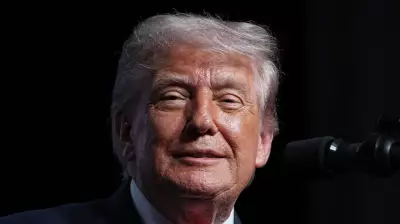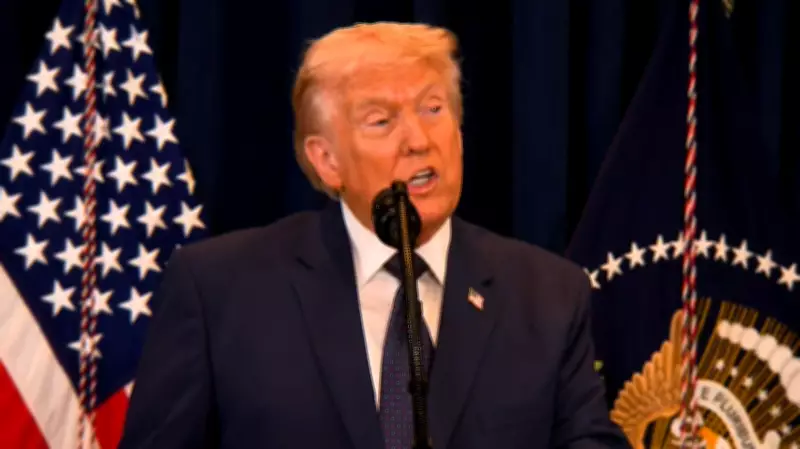
In a recent news conference held in Doral, Florida, former U.S. President Donald Trump made ambiguous remarks regarding Cuba, suggesting the possibility of what he termed a "friendly takeover." The comments have ignited widespread speculation and debate among political analysts and international observers, as they hint at potential shifts in U.S. foreign policy toward the Caribbean nation.
Vague Statements Fuel Political Debate
Trump did not provide specific details or clarify the nature of this proposed "friendly takeover," leaving many to interpret his words as either a diplomatic overture or a veiled threat. This lack of clarity has led to varied reactions, with some viewing it as a call for regime change under a cooperative guise, while others see it as a rhetorical flourish typical of Trump's unconventional political style. The remarks come at a time of ongoing tensions between the United States and Cuba, historically marked by economic sanctions and political strife.
Context of U.S.-Cuba Relations
The relationship between the United States and Cuba has been complex and often adversarial, with decades of embargoes and diplomatic standoffs. Trump's presidency saw a rollback of Obama-era policies that had aimed at normalizing relations, reinstating stricter travel and trade restrictions. His latest comments could signal a new approach, though the vague nature of the statement makes it difficult to assess its practical implications. Experts note that any significant policy change would require careful consideration of international law and regional stability.

Reactions from Political Circles
Opposition parties and foreign policy experts have called for greater clarity from the U.S. government, emphasizing the need for transparent and consistent diplomacy. The ambiguity in Trump's remarks has raised concerns about potential misunderstandings or escalations in international relations. As MPs prepare to debate broader issues, including the ongoing war in Iran, these comments add another layer of complexity to global political discussions.
Broader Implications for Foreign Policy
Trump's statements on Cuba are part of a larger pattern of his engagement with international affairs, often characterized by unpredictable and headline-grabbing pronouncements. This incident underscores the challenges of interpreting such rhetoric in a way that aligns with established diplomatic norms. As the world watches, the potential for a "friendly takeover" remains a topic of intense speculation, with implications for U.S. leadership and global geopolitics.