In a significant legal challenge, watchdog organizations American Historical Association and American Oversight have initiated a lawsuit against former President Donald Trump and his administration. The action, filed on Monday, centers on a controversial Justice Department memo that declares the Presidential Records Act "unconstitutional" and suggests Trump possesses legal authority to destroy White House records.
Allegations of Unfettered Legal Backing
The lawsuit accuses Trump and his administration of utilizing the Office of Legal Counsel to grant the president unchecked legal support to either destroy or refuse to surrender records to the National Archives and Records Administration (NARA) upon leaving office. According to the filing, "As of this moment, the Administration believes that the President is legally free to destroy records of his official government conduct, or even spirit away the records for his own future personal use."
Furthermore, the lawsuit contends that Trump holds the belief that government records "belong to the President personally." It states, "In the Administration’s view, the records of the official activities of the President and nearly 1,000 White House employees—generated using taxpayer funds, on government property, regarding official government business—belong to the President personally, and not to the American people. Government for the people, by the people, and of the people this is not."

Justice Department Memo and Constitutional Concerns
The Justice Department released a memo on Wednesday arguing that the Presidential Records Act is "unconstitutional" because it "serves no identifiable and valid legislative purpose" and "exceeds any preservation power because Congress cannot preserve presidential records merely for the sake of posterity." This stance has raised alarms among historians and transparency advocates.
Historical Record at Risk
In their lawsuit, American Historical Association and American Oversight emphasized that Trump must "abide by the recordkeeping obligations required by federal law, and to preserve the historical record that belongs to the American people, before it is forever lost." The memo is particularly concerning given Trump's documented history of retaining White House documents for personal use.
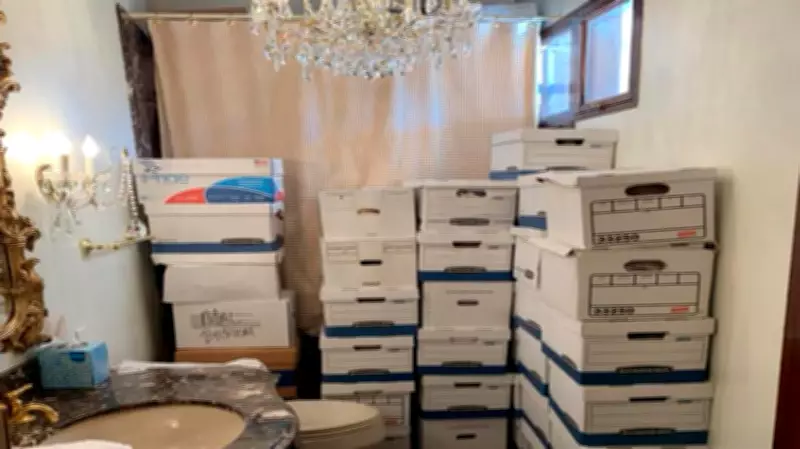
After departing office in 2021, Trump kept multiple boxes of official records instead of transferring them to NARA. The lawsuit notes, "NARA ultimately collected 15 boxes containing thousands of documents from President Trump’s personal residence at Mar-a-Lago." Dozens of boxes were eventually discovered at Trump's Florida resort, with many stored in unconventional locations such as bathrooms and on shower floors.
This legal battle underscores ongoing tensions between presidential authority and public accountability, highlighting the critical importance of preserving governmental records for future generations.