Trump's Mixed Signals on Iran: Quick End Promised, But Oil Threats Linger
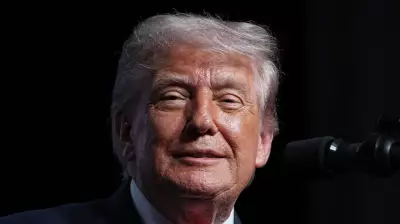
In a recent statement, U.S. President Donald Trump declared that the ongoing military conflict with Iran could be over "very soon," suggesting a swift resolution to the tensions that have gripped the Middle East. However, he quickly followed this with increased threats, warning that any disruption to global oil supplies would trigger a severe response from the United States.
Contradictory Messages from the White House
Trump's comments, made on March 9, 2026, highlight the volatile nature of the situation. "Everything they have is gone," he asserted, referring to Iran's military capabilities, while emphasizing his desire for "a system that can lead to many years of peace." Yet, the president's warning about oil supplies introduces a new layer of complexity, tying economic stability to the conflict's outcome and raising concerns about potential escalations.
Canada's Firm Stance of Non-Involvement
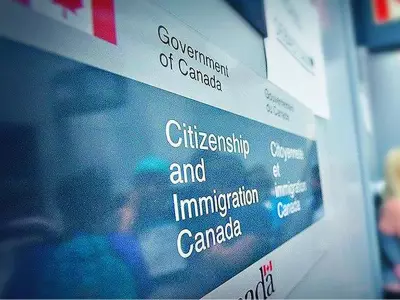
Amidst the U.S. rhetoric, Canada has reiterated its position of staying out of the war. The country's defence minister stated clearly, "Canada has not participated and Canada will not participate" in the Middle East conflict. This stance aligns with broader Canadian foreign policy, which often emphasizes diplomacy and non-intervention in such disputes.

Iran's Internal Moves and International Reactions
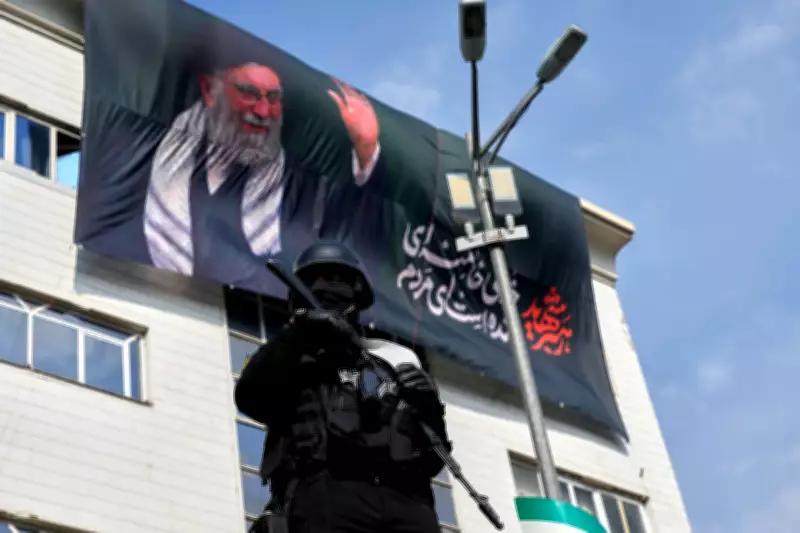
On the Iranian side, the regime appears to be consolidating power by naming the late supreme leader's son as the new head, a move described by analysts as "doubling down" on its hardline approach. This development has sparked debate, with Canada's former foreign affairs minister questioning the current government's stance on the war, while a former U.S. ambassador noted that "diplomacy is not going to get us there," underscoring the challenges in finding a peaceful resolution.
Broader Implications and Global Context
The Iran war is expected to have far-reaching effects, including impacts on the cost of farming operations and groceries, as supply chains face disruptions. In the U.S., stock markets experienced volatility, with oil prices whipping from nearly $120 to below $90 per barrel, reflecting the uncertainty. Airline shares have been battered, and airfares are surging due to the conflict pushing oil above $100, highlighting the economic ripple effects.
As the situation evolves, opposition parties in various countries are calling for clarity from their governments, with MPs set to debate the war's implications. The international community watches closely, balancing hopes for a quick end with fears of further escalation, especially if global oil supplies become a flashpoint in this already tense geopolitical landscape.