Trump Declares Iran Ready for Deal, U.S. Awaits Better Terms in Intensifying War
President Donald Trump has publicly stated that Iran is prepared to negotiate a deal to conclude the ongoing war, but the United States is holding out for more favorable conditions. This announcement comes as the conflict continues to escalate, causing significant disruptions to global energy markets and regional stability.
Conflicting Statements from U.S. and Iranian Officials
In a recent interview with NBC, Trump emphasized, "Iran wants to make a deal, and I don't want to make it because the terms aren't good enough yet." He indicated that any acceptable agreement must include a firm commitment from Tehran to abandon its nuclear ambitions. However, the president provided no specific details regarding ongoing negotiations or potential intermediaries between the two nations.
Contradicting Trump's claims, Iranian Foreign Minister Abbas Araghchi stated in an interview on CBS's Face the Nation that Iran has not requested talks or a ceasefire. "We don't see any reason why we should talk with Americans, because we were talking with them when they decided to attack us, and that was for the second time," Araghchi asserted. He further declared that Iran will continue its defensive actions until Trump acknowledges the conflict as an "illegal war" with no prospect of victory.

Strategic Strait of Hormuz Becomes Critical Flashpoint
The war has severely impacted shipping through the Strait of Hormuz, a vital maritime passage through which approximately one-fifth of the world's oil exports flow. Trump has called upon other nations, including China, France, Japan, South Korea, and the United Kingdom, to deploy warships to help keep the strait open and ensure the free flow of oil.
The closure and near-standstill in the strait have driven global oil prices to approximately $100 per barrel, creating economic pressures worldwide. The disruption highlights the strategic importance of this waterway and the broader implications of the conflict on international trade and energy security.
Regional Attacks and Retaliatory Strikes Intensify
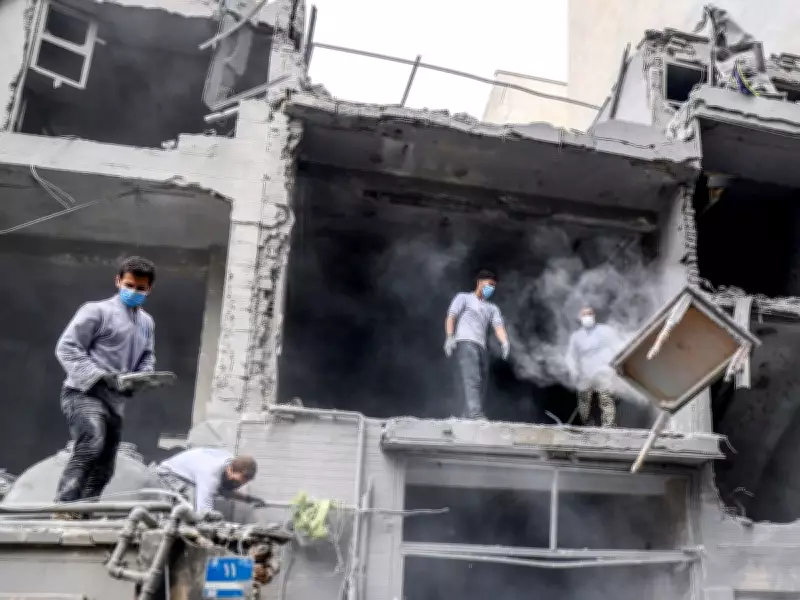
Recent days have seen a series of retaliatory attacks and defensive actions across the Middle East:
- The United Arab Emirates reported intercepting missiles and drones launched from Iran, with officials stating that over 1,600 drones and more than 300 missiles have been engaged since the conflict began.
- Iran launched missile attacks on Israel, with Israeli Defense Minister Israel Katz describing the war as entering its "victory phase" and vowing it will last "as long as required."
- Saudi Arabia intercepted at least 10 drones near Riyadh and in its eastern region, while Bahrain activated sirens and advised residents to remain in secure areas.
Key energy infrastructure has been targeted, including oil-loading operations at Fujairah, a major UAE port outside the Strait of Hormuz. Operations resumed after a drone strike and fire forced a temporary halt, underscoring the vulnerability of critical export facilities.
Economic and Industrial Consequences Mount
The conflict is causing significant economic disruptions beyond the energy sector. Aluminium Bahrain BSC, operator of the world's largest single-site aluminum smelter, initiated a phased production shutdown to conserve raw materials. This action affects three production lines, representing 19% of its total annual capacity of 1.6 million tons.
These developments illustrate the widening impact of the war, affecting not only regional security but also global industrial supply chains and economic stability.
Domestic Pressure on U.S. Leadership Grows
President Trump faces increasing domestic pressure as the war creates chaos in the Middle East and contributes to rising oil prices. The administration's stance on seeking better terms from Iran reflects a strategic calculation amid these mounting challenges, balancing diplomatic objectives with military and economic realities.

The situation remains fluid, with both sides presenting divergent narratives about the potential for negotiations and the path to resolution. As attacks and counterattacks continue, the international community watches closely, concerned about further escalation and its implications for global peace and prosperity.