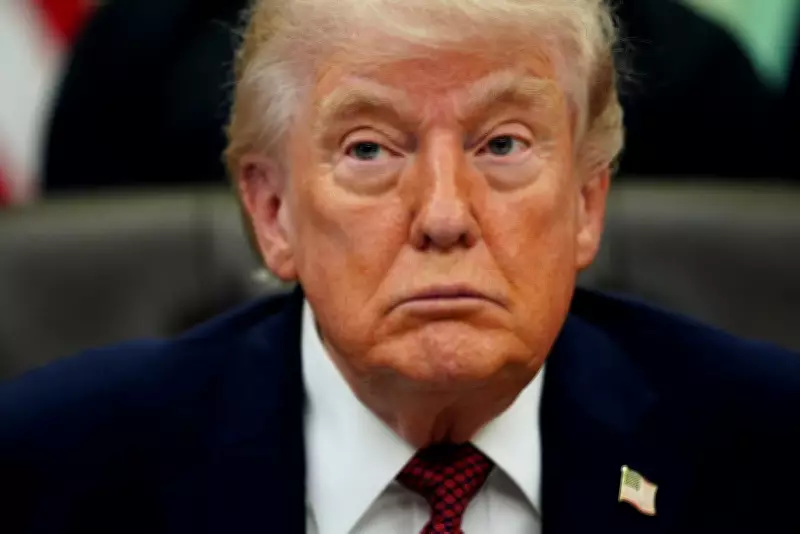
Trump Signs Bill to Extend Surveillance Powers Through April 30
In a move that has reignited debates over privacy and national security, U.S. President Donald Trump signed legislation on Saturday, April 18, 2026, extending controversial surveillance authorities until April 30 of that year. The bill, passed by Congress earlier in the week, allows for the continuation of programs that have faced significant scrutiny from civil liberties advocates and lawmakers alike.
Background and Implications of the Extension
The surveillance powers in question, which include provisions under laws such as the Foreign Intelligence Surveillance Act (FISA), enable government agencies to collect data on communications for intelligence purposes. Critics argue that these measures often lack sufficient oversight and can infringe on the privacy rights of American citizens, while proponents assert they are essential for preventing terrorism and other national security threats.
President Trump, speaking briefly before the signing ceremony in the Oval Office, emphasized the need for robust security measures in an increasingly complex global landscape. "We must ensure our nation remains safe from those who wish to do us harm," he stated, without delving into specific details about the bill's provisions.

Reactions and Ongoing Controversy
The extension has drawn mixed reactions across the political spectrum. Civil rights organizations have condemned the move, warning that it perpetuates invasive practices without adequate reforms. Privacy advocates are calling for greater transparency and judicial review in surveillance operations, pointing to past abuses documented in government reports.
Conversely, security officials and some congressional leaders have praised the decision, highlighting recent instances where surveillance data allegedly helped thwart potential attacks. The debate is expected to intensify as the April 30 deadline approaches, with lawmakers already discussing potential long-term reforms or further extensions.
This development comes amid a broader context of global tensions and domestic policy shifts, underscoring the ongoing balance between security imperatives and individual freedoms in the United States.