Trump Distances Himself from Former Counterterrorism Chief After Resignation Over Iran Conflict
In a striking reversal, President Donald Trump has publicly minimized his connection to Joe Kent, the former director of the National Counterterrorism Center, who resigned earlier this week citing his opposition to the ongoing war against Iran. The resignation and subsequent comments have ignited a political firestorm, highlighting deep divisions within the administration over foreign policy decisions.
Resignation and Immediate Fallout
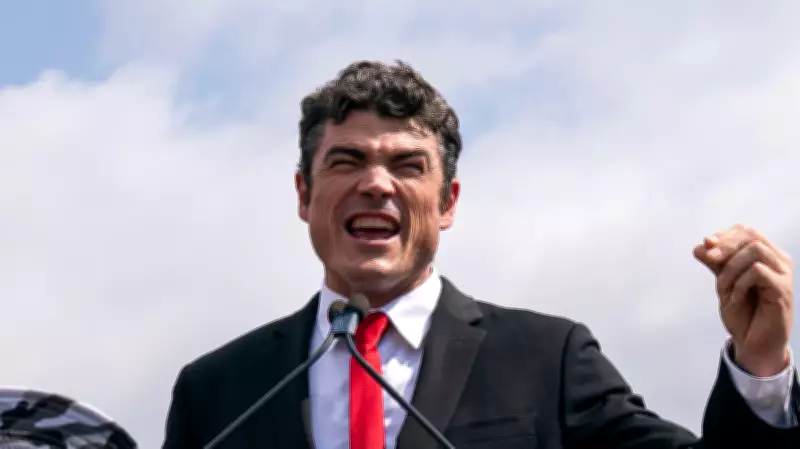
Joe Kent announced his departure from the National Counterterrorism Center on Tuesday, December 11, 2025, through a social media post that included his resignation letter. In the letter, Kent stated, "I cannot in good conscience support the ongoing war in Iran. Iran posed no imminent threat to our nation, and it is clear that we started this war due to pressure from Israel and its powerful American lobby." This bold assertion directly challenges the administration's justification for the conflict, which began on February 28, 2025.
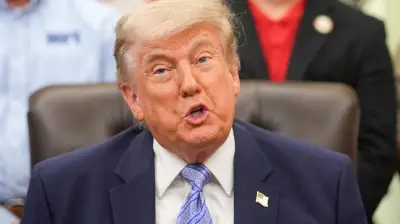
Hours after Kent's announcement, Trump addressed reporters, claiming he did not know Kent well and criticizing his security stance. "I always thought he was weak on security, very weak on security," Trump said, adding, "I always thought he was a nice guy. I didn't know him well." This dismissal stands in stark contrast to Trump's previous effusive praise for Kent, whom he once described as having "a tremendous future, a very special person" during a 2022 endorsement for Congress.

Contradictory History and Political Backdrop
The relationship between Trump and Kent has been complex and evolving. Kent, a conspiracy theorist who gained Trump's favor by promoting false claims about the 2020 election being stolen and alleging FBI involvement in the January 6, 2021, Capitol attack, was appointed by Trump to lead the National Counterterrorism Center after Trump's return to the White House in 2024. In a February 3, 2025, social media post, Trump celebrated the appointment, writing, "Joe will help us keep America safe by eradicating all terrorism, from the jihadists around the World, to the cartels in our backyard. Congratulations Joe!"
Kent's political career includes a 2022 primary victory over a Republican incumbent who voted to impeach Trump for his role in the Capitol insurrection, though he lost the general election to Democrat Marie Gluesenkamp Perez. He ran again in 2024 but was defeated by Perez a second time. Despite these losses, Trump's appointment placed Kent in a key national security role, underscoring the president's loyalty to allies who echo his controversial views.
Administration and Supporter Reactions
Following Kent's resignation, Trump's aides and supporters launched a concerted effort to discredit him. Press secretary Karoline Leavitt responded with a lengthy 450-word post, asserting, "The absurd allegation that President Trump made this decision based on the influence of others, even foreign countries, is both insulting and laughable." Taylor Budowich, a former top White House aide, claimed Kent was about to be fired, calling him "a crazed egomaniac who was often at the center of national security leaks, while rarely (never?) producing any actual work." Budowich added, "This isn't some principled resignation—he just wanted to make a splash before getting canned. What a loser."
In contrast, Olivia Troye, a former national security aide to Vice President Mike Pence, suggested the White House's aggressive response might stem from Kent's credible critique. "He actually calls out the lack of imminent threat," she noted, implying that Kent's resignation highlights legitimate concerns about the war's justification. This theory aligns with earlier comments by Secretary of State Marco Rubio, who outlined similar points about Israeli influence days after the conflict began.

Broader Implications and Ongoing Debate
The incident raises significant questions about the administration's internal coherence and the rationale for the Iran war. Kent's resignation, coupled with his history of embracing anti-immigrant and white nationalist positions, adds layers to the controversy, but his specific claim about Israel's role has garnered attention from within and outside the government. As the war enters its 17th day, the fallout from this high-profile departure may influence public perception and policy discussions moving forward.
Trump's attempt to distance himself from Kent, despite their shared history, reflects the volatile nature of his political alliances and the ongoing tensions over national security strategy. The episode underscores the challenges facing the administration as it navigates complex geopolitical landscapes while managing internal dissent.