Trump Contradicts Reports of Iran Strike Risk Warning from Senior Officer
In a significant development, former U.S. President Donald Trump has firmly denied allegations that a top-ranking military officer cautioned him about the potential dangers of launching a strike against Iran. This statement comes amidst heightened scrutiny of his administration's foreign policy decisions and their long-term implications for international security.
Public Rebuttal During White House Event
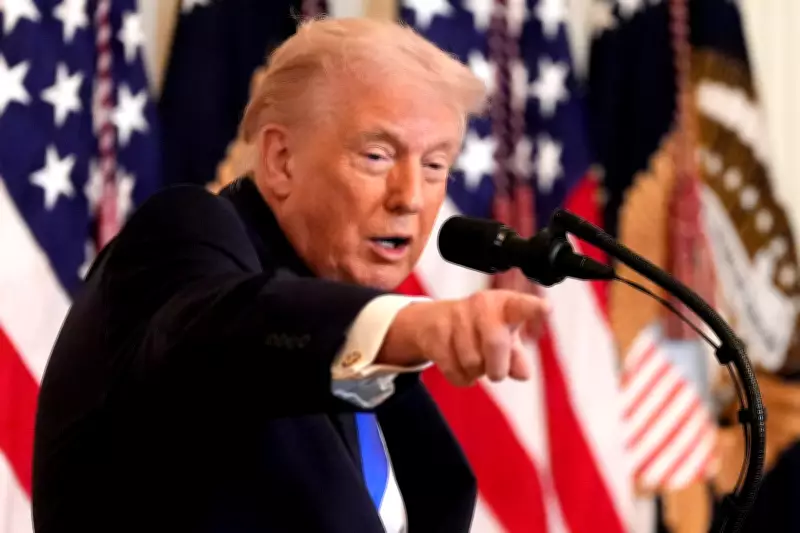
Trump made these remarks while speaking at an event in the East Room of the White House, where he proclaimed "Angel Family Day." During his address, he explicitly refuted claims that any senior defense official had advised him against military action in Iran due to assessed risks. This denial challenges previous media reports and insider accounts that suggested such warnings were a critical factor in policy deliberations.
The context of these denials is particularly important, as tensions between the United States and Iran have periodically escalated, with concerns about regional stability and global security. Trump's assertion underscores his administration's stance on assertive foreign policy, often characterized by unilateral actions and a dismissal of conventional diplomatic cautions.

Broader Implications for U.S. Military and Diplomatic Relations
This incident raises questions about the dynamics between civilian leadership and military advice in the United States. Historically, top military officers have played a key role in informing presidents about the strategic and operational risks of military engagements. Trump's denial may reflect a broader pattern of his presidency, where he frequently bypassed traditional advisory channels in favor of personal judgment.
Experts note that such disputes can impact military morale and international perceptions of U.S. decision-making processes. The potential for miscalculation in high-stakes situations, like those involving Iran, highlights the need for clear communication and trust between political leaders and defense officials.
Reactions and Ongoing Debates
Following Trump's comments, reactions have been mixed, with some supporters praising his decisive leadership, while critics express concern over the disregard for expert military counsel. This event adds to the ongoing debates about accountability and transparency in national security matters, especially as future administrations navigate complex global threats.
As the situation evolves, it remains crucial to monitor how this denial influences public discourse and policy discussions. The interplay between presidential authority and military expertise continues to be a focal point in understanding U.S. foreign policy under Trump and beyond.