Trump's Comments on Newsom's Dyslexia Ignite National Debate on Leadership and Learning Disabilities
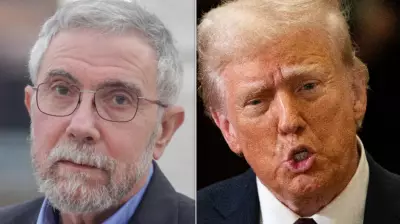
When former President Donald Trump declared on Monday that dyslexia renders someone unfit to lead the nation, approximately 20% of Americans likely reflected on their own diagnoses. Over the past week, Trump has repeatedly targeted California Governor Gavin Newsom for openly discussing his dyslexia, suggesting this "learning disability" disqualifies him from presidential consideration.
The Controversial Remarks
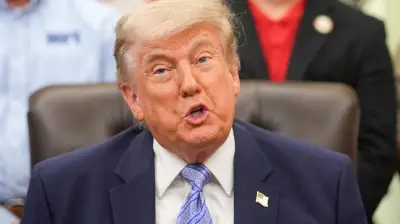
"We have a low-IQ person, you know, because Gavin 'Newscum' has admitted that he is a — that he has learning disabilities," Trump told reporters in the Oval Office, using his derogatory nickname for the governor. "Honestly, I'm all for people with learning disabilities, but not for my president. I don't want — I think the president should not have learning disabilities."
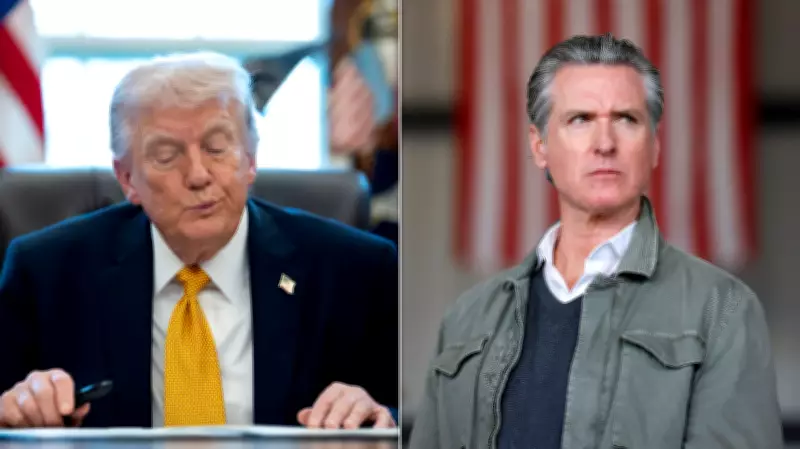
These comments represent Trump's latest escalation in criticizing Newsom, who has confirmed he is considering a 2028 presidential run though no formal announcement has been made. Newsom has been transparent about his dyslexia diagnosis since 2004 when he served as San Francisco mayor.

Experts Challenge Misconceptions
Michelle Qazi, president of the Academic Language Therapy Association (ALTA), strongly refuted Trump's characterization. "That is absolutely inaccurate," Qazi told HuffPost regarding the "low-IQ" comparison. "When students go through all the testing to get a diagnosis of dyslexia, there are IQ tests involved, and their IQ scores are really, really high."
As a certified academic language therapist, Qazi emphasized that dyslexia represents "just a glitch with the processing of language that occurs in the brain, and it is no reflection on intelligence or the ability to make great decisions." She explained that individuals with dyslexia simply learn to read differently, not deficiently.
Dyslexia in the Political Arena
Newsom is far from alone among political figures with dyslexia diagnoses. The list includes Senator John Hickenlooper (D-Colo.), former Florida Representative Kendrick Meek, former West Virginia Governor Gaston Caperton, and Senator Michael Bennet (D-Colo.). This demonstrates that learning differences don't preclude political achievement.
Trump's comments also contrast with bipartisan legislative efforts addressing dyslexia. In California, Newsom recently approved Assembly Bill 1454, which reforms reading instruction with emphasis on phonics, and signed Senate Bill 114, mandating dyslexia screenings for K-2 students.
Nationally, Louisiana Senator Bill Cassidy (R), whose daughter has dyslexia, introduced the bipartisan 21st Century Dyslexia Act in both 2021 and 2025 to improve identification and support for affected students.
Trump's Escalating Rhetoric
The former president first discussed Newsom's dyslexia in a Fox News Radio interview last Friday, telling host Brian Kilmeade that "the president can't have a learning disability." On March 11, Trump posted on Truth Social that Newsom's interview discussing his dyslexia was "the most self-destructive interview" that removed him from presidential consideration.
That same day, Trump told Kentucky supporters that Newsom had "admitted he has mental problems" and is "unable to read a speech. He can't read." The former president concluded, "I don't want the president of the United States to have a cognitive deficiency."
Clarifying Medical Terminology
Qazi clarified that dyslexia is not classified as a "cognitive deficiency," which specifically refers to impairments affecting memory, attention, and overall functioning. "Kids can have really great memories," she noted, adding that individuals with dyslexia "absolutely can learn to read once they learn certain instructions."
According to the Yale Center for Dyslexia & Creativity, dyslexia affects approximately one in five people, making it the most common neurocognitive disorder. The DSM-5 classifies it as a specific learning disorder.

Newsom's Response and Advocacy
When asked for comment, Newsom's office directed attention to three recent social media posts. One stated, "NO THANK YOU, WE BELIEVE IN FREE ELECTIONS!" Another sarcastically announced his fictional presidency, while a third offered encouragement: "To every kid with a learning disability: don't let anyone — not even the President of the United States — bully you. Dyslexia isn't a weakness. It's your strength."
The governor's dyslexia diagnosis regained attention after he promoted his memoir, "Young Man in a Hurry," in conversation with Atlanta Mayor Andre Dickens on February 22. During that event, Newsom acknowledged, "I haven't overcome dyslexia, I'm living with it," and noted, "You've never seen me read a speech, because I cannot read a speech."
Broader Implications
For Qazi and other professionals, Trump's comments reflect widespread misconceptions about a condition affecting millions. She emphasized that dyslexia represents a neurological difference rather than a medical problem, noting, "There [are] so many really incredible people in the world doing incredible things that also live with dyslexia."
The controversy highlights ongoing debates about disability, intelligence, and leadership qualifications in American politics, with advocates stressing that learning differences don't diminish capability or potential for high office.