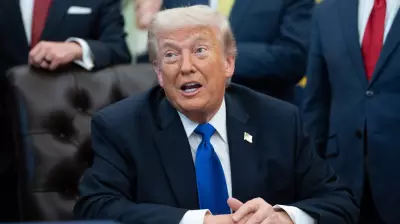
In a recent statement, former U.S. President Donald Trump launched a scathing critique of NATO, labeling the alliance as "foolish" in its approach to Iran. He emphasized that the United States does not need assistance from other nations to manage global affairs, particularly concerning tensions in the Middle East.
Trump's Strong Words on NATO and Iran
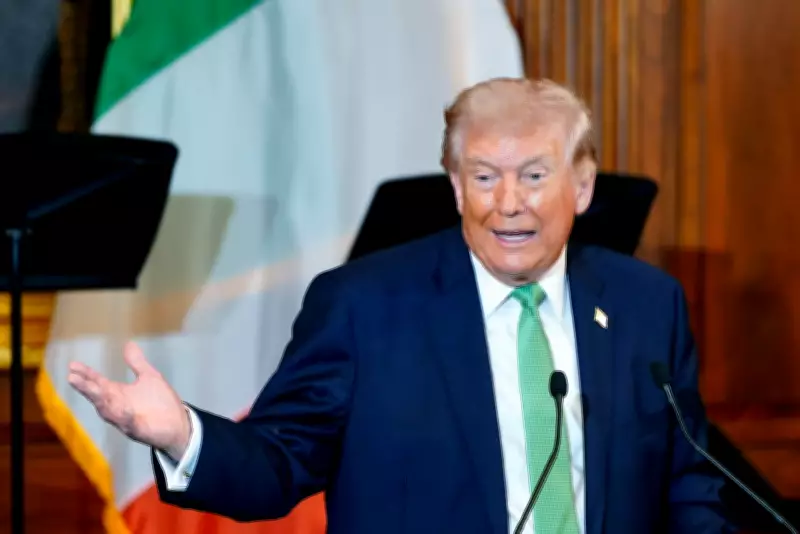
During a public address, Trump expressed his dissatisfaction with NATO's strategies, arguing that they are ineffective and misguided. He highlighted that the U.S. has the capability and resources to handle international disputes independently, without relying on alliances that he views as cumbersome or counterproductive.
Context of the Remarks
These comments come amid ongoing geopolitical tensions involving Iran, which have disrupted shipping routes and raised concerns about regional stability. Trump's remarks reflect his long-standing skepticism of multilateral organizations and his preference for unilateral action in foreign policy.

Implications for U.S. Foreign Policy
Trump's statements could influence future U.S. foreign policy directions, especially if he or like-minded leaders regain power. His emphasis on self-reliance over international cooperation may reshape how the U.S. engages with allies and adversaries in conflicts like those in the Middle East.
Overall, Trump's critique underscores a broader debate about the role of alliances in modern geopolitics and the balance between independence and collaboration in addressing global challenges.