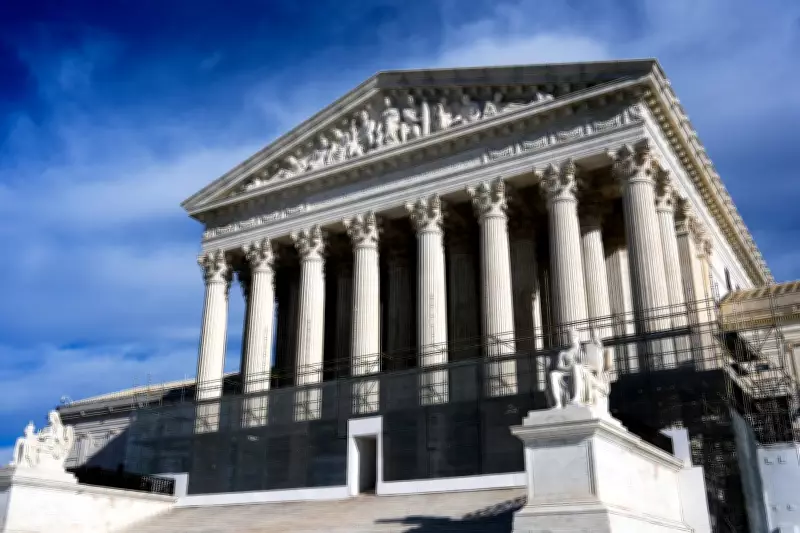
Trump Intensifies Criticism of Supreme Court, Announces Plans for Further Tariffs and Licensing
In a renewed political offensive, former President Donald Trump has launched a sharp critique against the U.S. Supreme Court, coupled with pledges to implement new tariffs and licensing frameworks. This development, reported on February 23, 2026, underscores ongoing tensions between Trump and judicial authorities, as well as his continued influence on economic policy discussions.
Escalating Judicial Disputes
Trump's latest remarks target the Supreme Court, reflecting a persistent pattern of challenging judicial decisions that have impacted his political and business interests. The attack comes amid a backdrop of legal battles and rulings that have shaped U.S. policy in recent years, with Trump positioning himself as a vocal opponent of what he perceives as judicial overreach.
Historical Context: This is not the first instance of Trump clashing with the judiciary. During his presidency and beyond, he has frequently criticized court rulings, particularly those related to immigration, healthcare, and election laws. The renewed assault suggests a strategic move to rally his base and assert his stance on constitutional issues.

Economic Implications of Proposed Tariffs and Licenses
Alongside his judicial criticisms, Trump has vowed to introduce additional tariffs and licensing measures. These proposals aim to reshape trade policies and regulatory environments, potentially affecting industries ranging from manufacturing to technology.
- Tariff Plans: The specifics of the new tariffs remain unclear, but they are expected to target imports from key trading partners, echoing Trump's previous emphasis on protectionist policies to boost domestic production.
- Licensing Initiatives: Trump also mentioned licensing frameworks, which could involve stricter regulations for businesses or new requirements for foreign entities operating in the U.S., aimed at enhancing national security and economic competitiveness.
Analysts note that such measures could spark international trade disputes and impact global markets, especially if implemented without bipartisan support or careful economic assessment.
Political and Business Reactions
The announcement has drawn mixed reactions from political and business circles. Supporters argue that Trump's approach prioritizes American interests and judicial accountability, while critics warn of potential economic instability and erosion of judicial independence.
- Political Response: Some lawmakers have expressed concern over the attack on the Supreme Court, viewing it as a threat to the separation of powers. Others, aligned with Trump, endorse his calls for tariff reforms as a means to address trade imbalances.
- Business Impact: Industry leaders are monitoring the situation closely, as new tariffs and licenses could increase costs and complicate international operations. The uncertainty may lead to cautious investment decisions in the short term.
This development occurs alongside other news, such as Canada's Loblaw investing $2.4 billion to create jobs and the U.S. halting tariffs deemed illegal by the Supreme Court, highlighting the interconnected nature of political and economic events.
As Trump continues to shape policy debates, his latest statements reinforce his role as a polarizing figure in U.S. politics, with potential ripple effects on judicial, economic, and international fronts. Observers anticipate further details on the proposed tariffs and licenses, which will likely fuel ongoing discussions about trade, regulation, and the balance of power in American governance.