As of June 12, bylaw officers in Toronto will begin cracking down on violations of FIFA World Cup branding and trademarks, but the City of Toronto is refusing to disclose exactly what that enforcement will entail. The lack of clarity has raised questions about how aggressively the city plans to protect FIFA's intellectual property during the tournament.
City Officials Vague on Enforcement Details
Sharon Bollenbach, executive director of the city's World Cup secretariat, stated in a release that the focus will be on "education and co-operation" rather than punitive measures. However, the city declined to answer most inquiries from the Toronto Sun regarding enforcement specifics, such as whether additional bylaw officers will be hired for the event or what penalties businesses might face.
City hall directed all questions about FIFA's role in enforcement to the world soccer governing body itself. FIFA, in turn, did not clarify its involvement to the Sun but issued a statement saying it is "working closely with stadium authorities and host cities" to protect its brands "in a manner consistent with previous editions of the tournament." This response may not reassure Torontonians given the history of World Cup enforcement actions.

Past World Cup Enforcement Controversies
During the 2006 tournament in Germany, a thousand Dutch fans were forced to remove their shorts, which displayed branding from a non-sponsor brewery, leaving them to watch the match in their underwear. More troubling, in 2010, Amnesty International raised "human rights concerns" about regulations that kept street vendors away from South Africa's World Cup venues.
While Toronto officials have been vague, a representative from the City of Vancouver reportedly told the New York Times that bylaw officers there will "enforce the removal of unauthorized commercial signs throughout the World Cup."
Clean Zones and Increased Enforcement
Bollenbach noted that only "approved partners can use FIFA trademarks for commercial purposes," and "if needed, existing city bylaws will be enforced." She added that during the event, the city will "increase bylaw enforcement in key areas, including near Exhibition Place, Liberty Village and within 100 metres of the FIFA Fan Festival at Fort York and the Bentway." These areas are known as World Cup "clean zones."
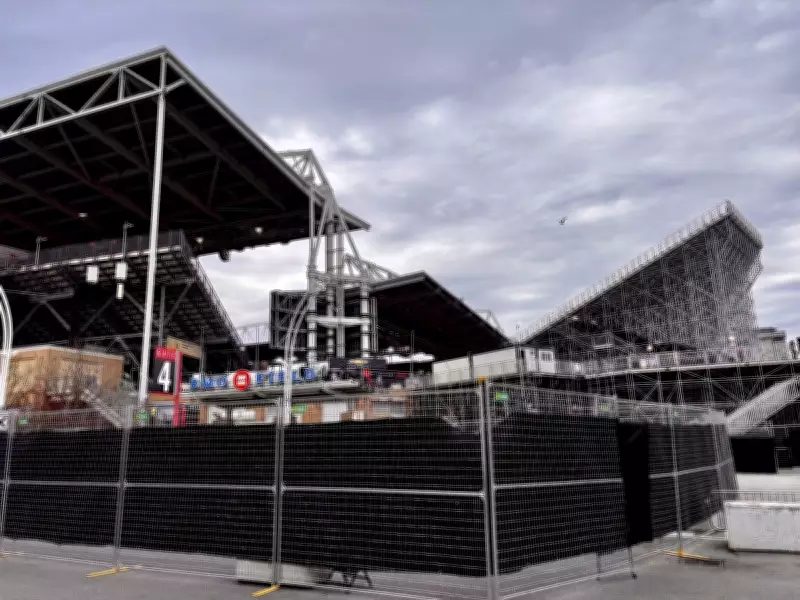
According to FIFA's brand protection webpage, clean zones restrict commercial activities of unauthorized businesses on match days and the days leading up to a match. This includes enforcing special laws against "prohibited marketing activities, such as the distribution of promotional items or flyers by non-sponsor businesses." FIFA's most noticeable influence will be the mandated de-branding of BMO Field, which will be renamed Toronto Stadium during the World Cup.
In a follow-up statement, the City of Toronto said it expects to "deploy up to 60 staff on FIFA game days to enforce municipal bylaws, including illegal vending to support consumer protection. The work is expected to begin with the first game on June 12." However, a question about whether FIFA branding rules would apply at community centres, churches, and schools was ignored.
Guidelines for Businesses
FIFA defended its approach, calling intellectual property enforcement "common practice for major international sporting events." The organization said, "Investing time and resources to protect its brands is of paramount importance to FIFA in order to secure the revenue streams, which enable us to support the development and growth of football globally."

While local businesses cannot use World Cup trademarks, FIFA has published an online document with IP guidelines. Bars, for example, cannot refer to the tournament by name on a sign but can invite customers to watch soccer. The document states: "FIFA encourages businesses and the public to use generic football or country-related images and/or terminology that do not incorporate any FIFA intellectual property." However, it warns that the guidelines are "not to be used as a tool to avoid legal liability with the deliberate intent to ambush FIFA's marketing rights."