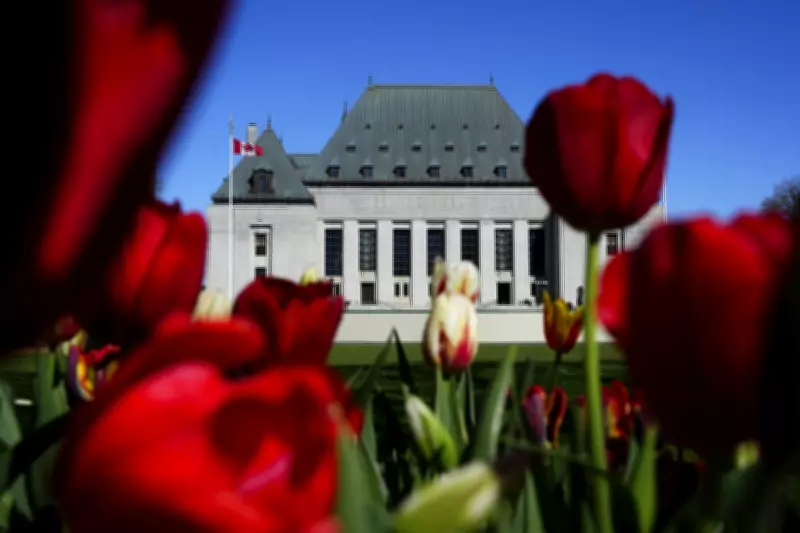
British Columbia Premier David Eby has welcomed the Supreme Court of Canada's decision to hear the province's appeal regarding mineral claims, calling it 'very good news' for the province. The case, which centers on the validity of mineral claims staked on land subject to Indigenous land claims, has been closely watched by the mining industry and First Nations groups.
Background of the Case
The dispute originated from a 2021 decision by the B.C. Court of Appeal, which ruled that mineral claims staked on land covered by the Nisga'a Final Agreement were invalid. The Nisga'a treaty, signed in 2000, grants the Nisga'a Nation ownership of certain lands and resources. The ruling raised questions about the security of mineral titles in areas where Indigenous land claims exist.
The B.C. government appealed the decision, arguing that the Court of Appeal's interpretation of the treaty could create uncertainty for the mining sector. The Supreme Court's decision to hear the case offers an opportunity to clarify the legal framework for mineral exploration and development on treaty lands.

Reactions from Stakeholders
Premier Eby stated that the case has significant implications for economic development and reconciliation with Indigenous peoples. 'This is about ensuring that we have a clear and predictable system for mineral development that respects Indigenous rights and provides certainty for investors,' he said.
The Mining Association of B.C. also welcomed the Supreme Court's involvement, emphasizing the need for legal clarity. 'A definitive ruling will help protect jobs and investment in the mining sector,' said association president Michael Goehring.
Meanwhile, the Nisga'a Nation expressed disappointment that the case is continuing, but remains confident in its position. 'We believe the treaty is clear, and we will continue to defend our rights,' said Nisga'a President Eva Clayton.
Broader Implications
The case is seen as a test of the strength of modern treaties in Canada. With many First Nations negotiating or implementing land claims agreements, the outcome could set a precedent for how mineral rights are managed on treaty lands. The Supreme Court hearing is expected to take place in the fall of 2026.