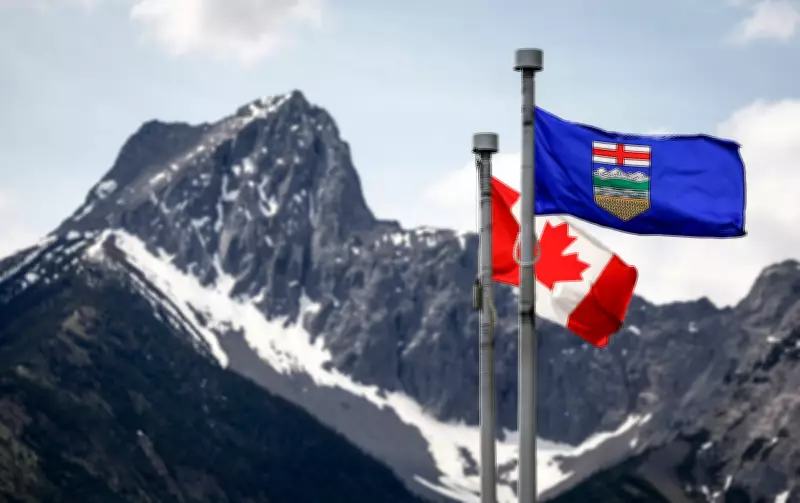
The Alberta government has officially added a question related to separation to the upcoming fall referendum, a move that has intensified discussions about the province's place within Canada. The decision was announced by Premier Danielle Smith, who has been a vocal advocate for exploring Alberta's independence.
Referendum Details
The referendum, originally intended to address other provincial matters, will now include a question asking voters whether they support the province pursuing sovereignty. This addition comes after a legislative committee approved the wording, which asks: "Should Alberta become an independent country?"
Premier Smith defended the move, stating that it is a necessary step to gauge public sentiment and strengthen Alberta's negotiating position with the federal government. Critics, however, argue that the question is divisive and could undermine national unity.

Political Reactions
Federal Conservative leader Pierre Poilievre has already stated that all Conservatives will campaign for Alberta to remain part of Canada, emphasizing the importance of national cohesion. Meanwhile, former Calgary mayor Naheed Nenshi described the move as a "very strange game" and accused Smith of playing politics with the province's future.
The Alberta NDP has also voiced strong opposition, calling the referendum a costly distraction from pressing issues like healthcare and education. Party leader Rachel Notley urged Albertans to vote against separation, warning of economic and social risks.
Economic Implications
Economists have raised concerns about the potential fallout of a separation vote, including uncertainty for investors and the province's credit rating. Alberta's oil and gas sector, which relies heavily on access to Canadian and international markets, could face significant disruptions.
Supporters of the referendum argue that Alberta contributes disproportionately to federal coffers and would thrive as an independent nation, citing examples like Norway and Scotland. They believe that self-governance would allow the province to better manage its resources and pursue its own trade policies.
Next Steps
The referendum is scheduled for later this fall, with voting expected to take place alongside municipal elections. The Alberta government has allocated funds for public information campaigns on both sides of the issue. The results will be non-binding, meaning the provincial legislature would need to act on any outcome.
As the debate heats up, Albertans are preparing for a contentious campaign season that could reshape the province's political landscape for years to come.