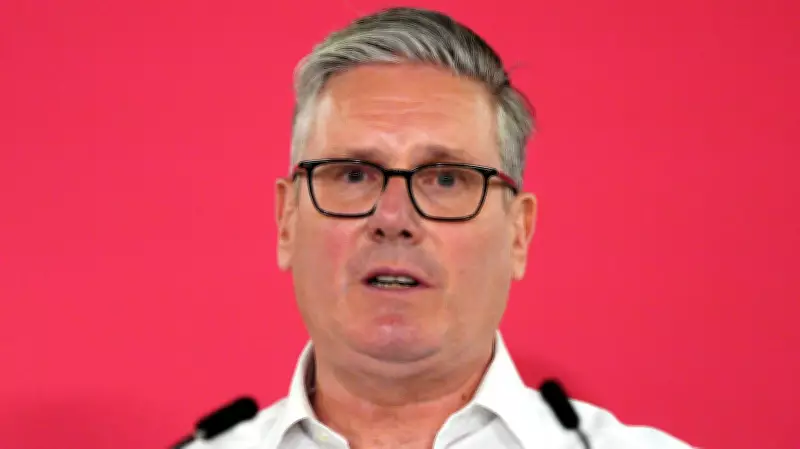
British Prime Minister Keir Starmer came under renewed pressure on Monday when three ministerial aides stepped down and more than 60 Labour lawmakers publicly called for his resignation after his appeal for another chance seemingly fell on deaf ears.
Starmer's Plea Falls Short
At an address to the party faithful in London, Starmer made an impassioned plea to both his party and voters to stick with him and avoid a leadership contest he said would only bring chaos, promising to be bolder. However, his speech, in which he all but admitted he had been too timid in tackling the myriad of problems besetting Britain since he won a large majority in 2024, did little to ease the anger felt over one of the worst defeats for Labour in last week's local elections.
Resignations and Calls for Leadership Contest
Three ministerial aides said they were resigning, believing that Starmer, 63, was not the man to lead Labour into a next national election, due in 2029, and hoping to trigger a leadership contest that could last weeks, if not months. Tom Rutland, a ministerial aide to the environment minister, who quit, stated: “It is clear to me that the prime minister has lost authority not just within the parliamentary Labour Party but across the country and that he will not be able to regain it.”

Catherine West, a little-known former junior minister who broke cover at the weekend to threaten to seek a leadership contest if Starmer failed to offer radical change, told Reuters she had received 80 responses supporting her demand that the prime minister set out a timetable for his departure. She called for a leadership election to happen in September.
Allies Meet at Downing Street
Two of Starmer's closest allies, environment minister Steve Reed and defence minister John Healey, entered Starmer's Downing Street office on Monday night, according to Sky News. Officials did not respond to a request for comment on whether it was a scheduled meeting. Earlier, Starmer had tried to change the narrative about his premiership, arguing that he would now offer a “complete break” with the decision-making of the past that led to the “status quo”. On leadership he said continuity was more important now with a global backdrop of conflicts in Ukraine and Iran.