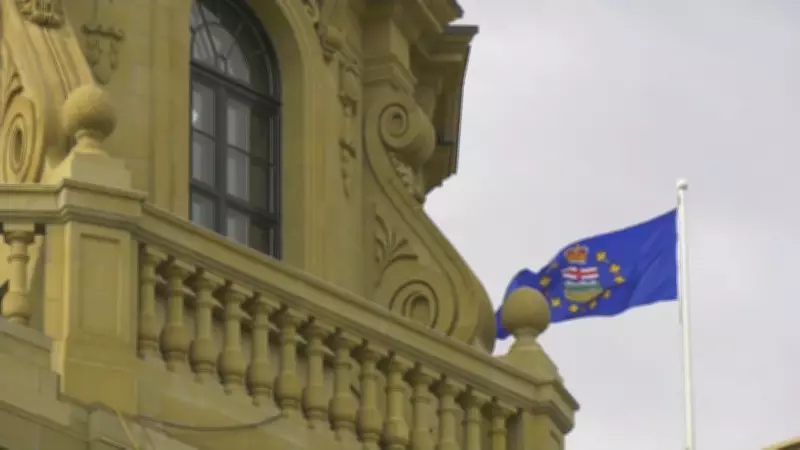
The Alberta legislature has rejected a proposed salary increase for the province's chief electoral officer, despite acknowledging the official is grappling with an 'unprecedented' workload. The decision, announced on May 11, 2026, has sparked debate among lawmakers and observers about the balance between fiscal responsibility and supporting democratic processes.
Rejection of Raise
The proposed raise would have adjusted the compensation for the chief electoral officer, who oversees elections and referendums in Alberta. However, the legislature voted against the measure, citing concerns over government spending and the need to prioritize other budgetary items. The rejection comes at a time when the electoral office is managing increased responsibilities, including new electoral reforms and a higher volume of voter inquiries.
Unprecedented Workload
Chief Electoral Officer Glen Resler has described the current workload as 'unprecedented,' noting that recent changes to election laws and the introduction of new technologies have significantly expanded the office's duties. In a statement, Resler emphasized that the additional tasks require more resources and personnel, but the salary freeze adds to the challenges of retaining experienced staff.

Political Reactions
Opposition parties criticized the government's decision, arguing that it undermines the independence of the electoral office. NDP Leader Rachel Notley stated, 'Our democracy relies on a robust and well-supported electoral system. Refusing a modest raise for the chief electoral officer sends the wrong message.' In contrast, government officials defended the move, with Treasury Board President Nate Glubish saying, 'We must ensure all taxpayer dollars are spent wisely, especially during times of fiscal constraint.'
Impact on Electoral Office
The rejected raise could affect morale and recruitment within the electoral office. Experts warn that without competitive compensation, it may become difficult to attract and retain qualified professionals. The office is currently preparing for several upcoming by-elections and a potential referendum, adding to the urgency of the situation.
This development follows similar debates in other provinces about compensating election officials. As Alberta moves forward, the legislature will need to address the workload concerns to ensure the integrity of future elections.