Starmer Concedes Mandelson Appointment Misstep While Standing Firm Against Resignation Pressure
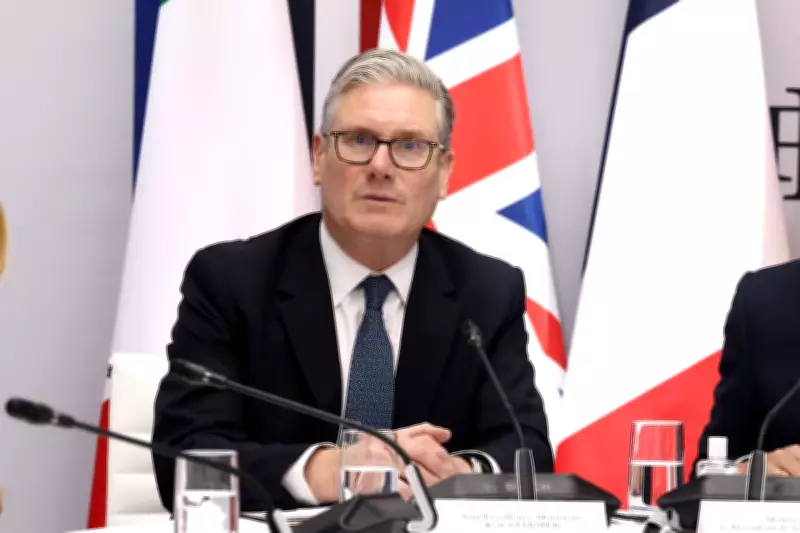
British Prime Minister Keir Starmer has publicly acknowledged a significant error in his decision to appoint former minister Peter Mandelson as the United Kingdom's ambassador to a key international post. However, despite mounting criticism from political opponents, Starmer is resolutely resisting calls for his resignation, framing the situation as a learning opportunity rather than a career-ending blunder.
A Controversial Diplomatic Selection
The controversy centers on Starmer's choice of Mandelson, a figure with a complex political history, for a high-profile ambassadorial role. Critics have argued that the appointment was poorly vetted and reflected questionable judgment, given Mandelson's past controversies and perceived lack of diplomatic experience. Starmer, in a recent statement, admitted that the selection process was flawed, stating, "I recognize this was a mistake. We did not fully consider all aspects, and I take responsibility for that." This admission marks a rare moment of public self-critique from the Prime Minister, who has typically maintained a steadfast public image.
Fierce Opposition Demands for Resignation
Following Starmer's acknowledgment, opposition parties have intensified their demands for his resignation, arguing that the error demonstrates a pattern of poor leadership and undermines confidence in his government. Conservative leaders have labeled the appointment "a grave misstep" that warrants Starmer's immediate departure from office. They contend that such a significant diplomatic blunder cannot be overlooked, especially amid ongoing international tensions and domestic challenges.

Starmer, however, has firmly rejected these calls, emphasizing his commitment to continuing his work. "While I own this mistake, resigning is not the solution," he asserted. "My focus remains on addressing the pressing issues facing our nation, from economic stability to healthcare reform. I am determined to lead through this and ensure better processes moving forward."
Political Ramifications and Public Perception
The incident has sparked a broader debate about accountability in British politics. Supporters of Starmer argue that his willingness to admit fault shows integrity and a capacity for growth, contrasting with leaders who refuse to acknowledge errors. They suggest that the resignation demands are politically motivated, aimed at destabilizing the government rather than addressing substantive concerns.
Conversely, detractors view the situation as indicative of deeper governance issues, questioning Starmer's decision-making framework and the efficacy of his advisory team. Public opinion polls indicate a divided electorate, with some citizens appreciating the transparency while others express diminished trust in Starmer's leadership capabilities.
Looking Ahead: Implications for UK Diplomacy
As the political drama unfolds, the immediate future of Mandelson's ambassadorial role remains uncertain. Reports suggest that a review of the appointment is underway, with possible adjustments or a reversal being considered. This episode may also prompt reforms in how diplomatic positions are filled, with calls for more rigorous vetting and bipartisan consultation to prevent similar controversies.
In summary, Keir Starmer's admission of error in the Mandelson appointment has ignited a fierce political showdown, with resignation demands clashing against his resolve to remain in power. The outcome will likely influence not only Starmer's tenure but also the standards of accountability in UK politics, setting a precedent for how leaders handle self-acknowledged missteps in an increasingly scrutinized public arena.